


Camping is one of the most rewarding ways to connect with nature, but choosing the right camping tent can significantly impact your comfort, safety, and overall outdoor experience. With so many tent designs available on the market today, understanding the different types of camping tents is essential before making a purchase.
Whether you are a solo backpacker, a family camper, or an extreme adventurer heading into harsh mountain conditions, there is a camping tent designed specifically for your needs. In this guide, we will explore the main types of camping tents, their advantages, disadvantages, and ideal use cases, helping you make an informed decision for your next outdoor adventure.

1. Dome Tents: The Most Popular Camping Tent Design
Dome tents are one of the most widely used types of camping tents due to their simple structure and versatility. They typically feature two flexible poles that cross over the top, forming a dome-like shape.
Key Features:
Lightweight and easy to carry
Quick setup, usually within minutes
Good wind resistance due to aerodynamic shape
Suitable for beginners and casual campers
Advantages:
Dome-style camping tents are popular because they balance stability and portability. The curved design helps distribute wind pressure evenly, making them suitable for moderate weather conditions.
Disadvantages:
Limited interior space in larger groups
Not ideal for extreme weather or heavy snow
Best For:
Weekend campers, small families, and festival camping.
2. Cabin Tents: Spacious Comfort for Families
Cabin tents are designed to feel more like a portable room than a traditional camping tent. With vertical walls and a boxy structure, they maximize interior space and headroom.
Key Features:
High ceiling for standing room
Large interior space
Multiple rooms or dividers in some models
Suitable for extended camping stays
Advantages:
Cabin tents are perfect for families or groups who prioritize comfort. The vertical walls make it easy to move around, change clothes, and organize gear.
Disadvantages:
Heavier and bulkier to transport
Less wind-resistant compared to dome tents
Takes longer to set up
Best For:
Family camping trips, car camping, and long-term outdoor stays.
3. Tunnel Tents: Excellent Space Efficiency
Tunnel tents use multiple curved poles arranged in parallel to create a tunnel-like structure. This design offers a great balance between space and weight efficiency.
Key Features:
Long, tunnel-shaped design
Excellent space-to-weight ratio
Multiple sleeping and storage zones
Requires proper staking for stability
Advantages:
Tunnel-style camping tents offer excellent interior space while remaining relatively lightweight. They are often used in group camping scenarios where space is important.
Disadvantages:
Requires careful setup and tensioning
Less stable without proper anchoring
Not ideal for rocky terrain
Best For:
Group campers, long hiking trips, and base camps.
4. Backpacking Tents: Lightweight and Compact
Backpacking tents are specifically designed for hikers who need to carry their gear over long distances. Every aspect of these tents focuses on reducing weight and pack size.
Key Features:
Ultra-light materials
Compact folding design
Minimalist structure
Quick setup and takedown
Advantages:
The biggest advantage of a backpacking camping tent is portability. These tents are easy to carry in a backpack without adding excessive weight.
Disadvantages:
Limited space and comfort
Not suitable for large groups
Less durable in extreme conditions
Best For:
Solo travelers, hikers, and long-distance trekking adventures.
5. Pop-Up Tents: Instant Setup Convenience
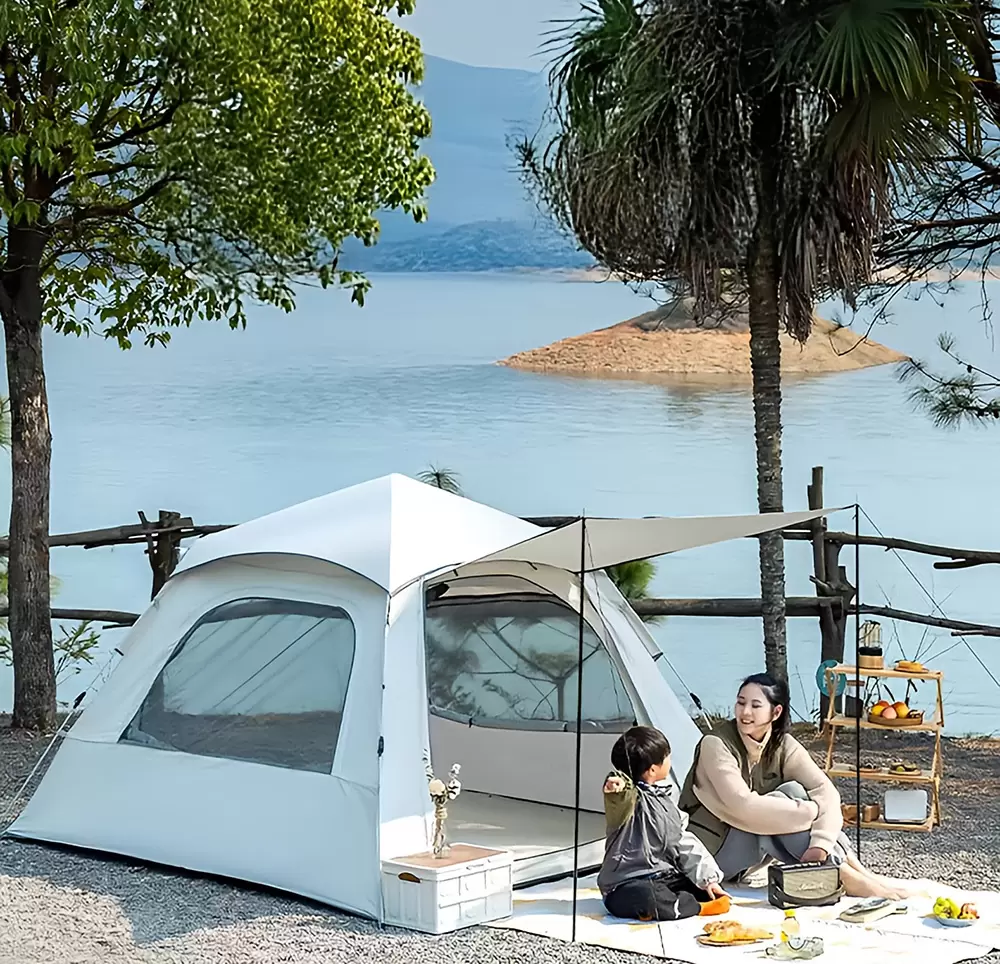
Pop-up tents are designed for maximum convenience. They come pre-assembled with flexible frames that automatically expand when unpacked.
Key Features:
Instant setup in seconds
Lightweight and portable
Simple folding mechanism
Ideal for beginners
Advantages:
Pop-up camping tents are perfect for those who want a hassle-free camping experience. They eliminate the need for complicated assembly.
Disadvantages:
Difficult to fold back properly
Less durable in strong wind or rain
Limited structural strength
Best For:
Festivals, beach camping, and short recreational trips.
6. Geodesic and Semi-Geodesic Tents: Built for Extreme Conditions
Geodesic tents are advanced versions of dome tents, featuring multiple intersecting poles that create a highly stable structure. They are engineered for harsh environments.
Key Features:
Multiple pole intersections for stability
Excellent wind and snow resistance
Strong structural integrity
Designed for extreme weather conditions
Advantages:
These camping tents are ideal for mountaineering and high-altitude expeditions. They can withstand heavy snow loads and strong winds.
Disadvantages:
Heavier than standard tents
More complex setup
Higher cost
Best For:
Mountaineers, expedition teams, and extreme weather camping.
7. Ridge Tents: Traditional Yet Reliable
Ridge tents are one of the oldest tent designs, characterized by a simple triangular structure supported by a central ridge pole and guy ropes.
Key Features:
Classic A-frame design
Easy to understand structure
Lightweight materials
Requires external support lines
Advantages:
Ridge tents are simple and reliable. They are often used in military and emergency situations due to their straightforward setup.
Disadvantages:
Limited interior space
Less stable in strong winds
Not ideal for modern comfort needs
Best For:
Emergency camping, basic shelter needs, and traditional camping experiences.
8. Inflatable Tents: Modern Innovation in Camping
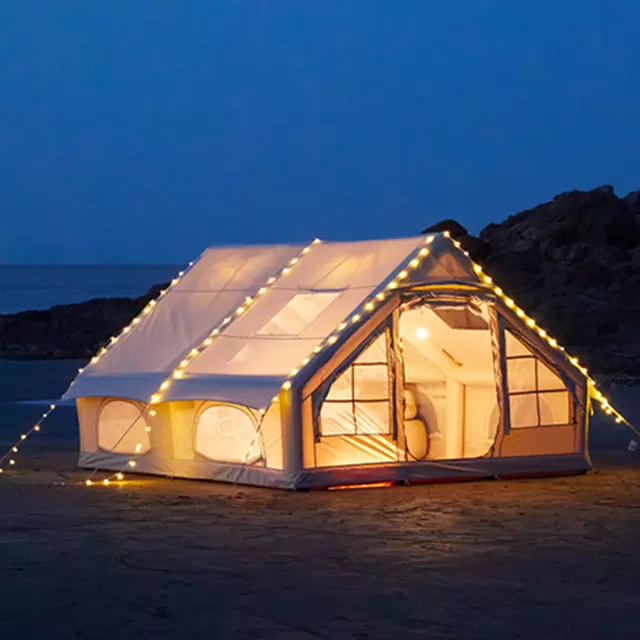
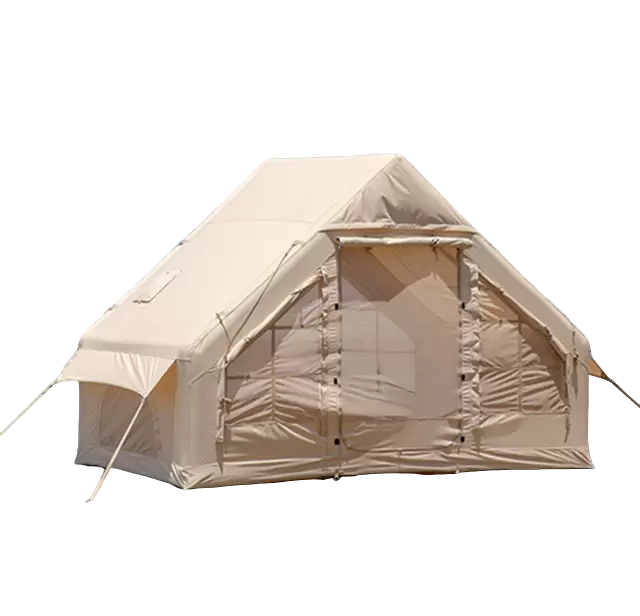
Inflatable tents use air beams instead of traditional poles. These beams are inflated using a pump, making setup fast and efficient.
Key Features:
Air-supported structure
Quick inflation setup
Strong and flexible frame
Increasingly popular in modern camping markets
Advantages:
Inflatable camping tents offer a unique combination of convenience and stability. They are easier to set up than pole-based designs and can handle moderate wind conditions.
Disadvantages:
Requires pump for setup
Risk of puncture or air leakage
Heavier than ultralight tents
Best For:
Family camping, luxury camping (glamping), and recreational outdoor use.
9. Rooftop Tents: Elevated Camping Experience
Rooftop tents are mounted on top of vehicles, offering an elevated sleeping platform. They are popular among road trip enthusiasts and overlanding travelers.
Key Features:
Mounted on car roof racks
Quick fold-out setup
Elevated sleeping position
Integrated mattress in most models
Advantages:
Rooftop camping tents provide safety from ground-level insects and uneven terrain. They are ideal for travelers who frequently move between locations.
Disadvantages:
Expensive compared to traditional tents
Requires compatible vehicle roof rack
Increased fuel consumption due to weight
Best For:
Overlanding, road trips, and off-road adventures.
10. Seasonal Tents: Designed for Weather Conditions
Another important way to categorize camping tents is by seasonal usage.
3-Season Tents:
Designed for spring, summer, and autumn
Lightweight and breathable
Good ventilation
4-Season Tents:
Built for winter and extreme conditions
Strong frame for snow load
Reduced ventilation to retain heat
Choosing the right seasonal camping tent ensures safety and comfort depending on weather conditions.
How to Choose the Right Camping Tent
Selecting the best camping tent depends on several factors:
1. Purpose of Camping
Are you hiking, car camping, or mountaineering? Your activity determines the tent type.
2. Number of Users
Solo, couple, or family camping requires different sizes and layouts.
3. Weather Conditions
Wind, rain, and snow resistance are critical for safety.
4. Weight and Portability
Backpackers need lightweight tents, while car campers can carry heavier options.
5. Setup Time
Beginners may prefer pop-up or inflatable designs for convenience.
Final Thoughts
Understanding the different types of camping tents helps you make a smarter and more practical choice for your outdoor adventures. From lightweight backpacking tents to spacious cabin tents and extreme geodesic shelters, each design serves a unique purpose.
When selecting a camping tent, always consider your travel style, environment, and comfort needs. The right tent will not only improve your camping experience but also ensure safety and peace of mind in the outdoors.
Whether you're planning a weekend getaway or a challenging expedition, investing in the right camping tent is one of the most important decisions you can make for a successful trip.






 SIGN UP FOR NEWSLETTER
 Room 2015, Building 1, No. 114, Pudong, Xiaojiang Village, Shuangpu Town, Xihu District, Hangzhou City, Zhejiang Province
