


Camping is one of the most rewarding ways to reconnect with nature, but the type of tent you choose can make or break your experience. Among the many options available, four-season camping tents stand out as a premium category designed for extreme conditions. However, many campers often wonder: are four-season camping tents really worth the investment?
The answer depends on several factors, including your camping style, environment, and expectations. In this article, we’ll take a deep dive into what four-season tents are, how they differ from other tents, their advantages and limitations, and whether they are the right choice for your needs.
What Is a Four-Season Camping Tent?
A four-season camping tent, sometimes referred to as a winter tent or mountaineering tent, is specifically designed to withstand harsh weather conditions throughout the year. Unlike standard three-season tents, which are suitable for spring, summer, and fall, four-season tents are built to handle:
Heavy snowfall
Strong winds
Low temperatures
High-altitude environments
Harsh winter storms
These tents are commonly used by mountaineers, winter campers, and expedition teams who need reliable shelter in extreme environments.
Key Features of Four-Season Tents
To understand whether they are worth buying, it’s important to know what makes four-season tents unique.
1. Stronger Frame and Structure
Four-season tents typically feature reinforced poles made from aluminum alloys and a geodesic or dome-like structure. This design helps distribute wind and snow loads evenly, preventing collapse under pressure.
2. Durable Fabric
The materials used in four-season tents are heavier and more durable than those in standard tents. They are designed to resist tearing, abrasion, and extreme weather conditions.
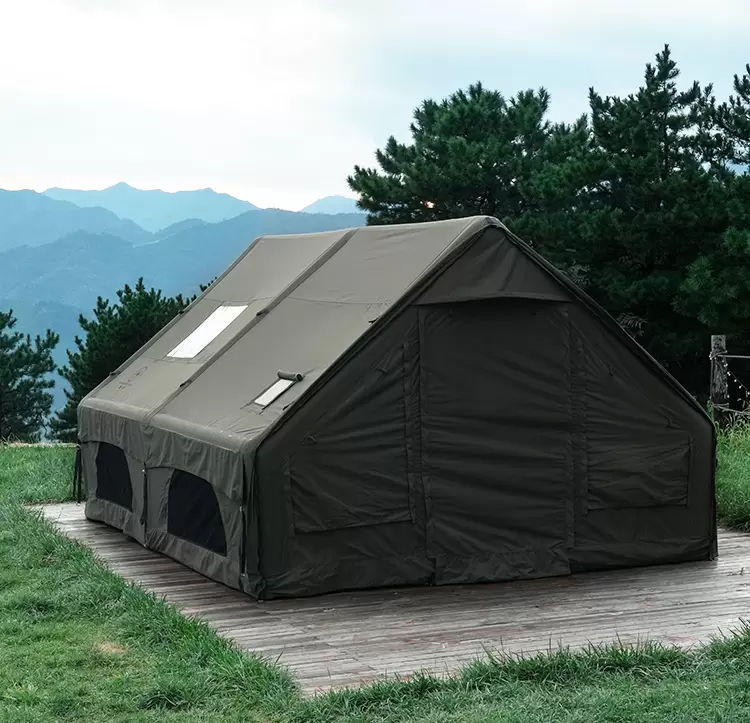
3. Less Ventilation, More Insulation
While three-season tents focus on airflow, four-season tents prioritize heat retention. They have fewer mesh panels and more solid fabric to keep warmth inside, which is crucial in freezing temperatures.
4. Snow Skirts and Reinforced Anchoring
Many four-season tents include snow skirts that can be buried in snow to prevent drafts. They also come with enhanced guy lines and anchoring systems for stability in strong winds.
5. Steep Wall Angles
The steep design of the tent walls prevents snow from accumulating on the roof, reducing the risk of collapse.
Advantages of Four-Season Camping Tents
1. Excellent Protection Against Extreme Weather
The biggest advantage is their ability to withstand harsh weather conditions. Whether you're dealing with heavy snow or high winds, a four-season tent offers unmatched protection.
2. Superior Durability
Because they are built with high-quality materials, these tents are extremely durable and can last for many years if properly maintained.
3. Ideal for Winter Camping and Expeditions
If you enjoy winter camping, ice climbing, or mountaineering, a four-season tent is essential. It provides safety and comfort in environments where a regular tent would fail.
4. Increased Safety
In extreme conditions, having a reliable shelter is not just about comfort—it’s about safety. A four-season tent significantly reduces the risks associated with exposure to harsh weather.
5. Better Insulation
These tents retain heat more effectively, making them suitable for cold nights where temperature drops can be life-threatening.
Disadvantages of Four-Season Camping Tents
Despite their advantages, four-season tents are not perfect for every situation.
1. Heavier Weight
Four-season tents are heavier due to their reinforced structure and materials. This makes them less suitable for backpacking or long-distance hiking where weight is a critical factor.
2. Less Breathability
Because they are designed to retain heat, they can feel stuffy in warmer conditions. This makes them uncomfortable for use in hot climates.
3. Higher Cost
Quality four-season tents are generally more expensive than three-season options. This can be a significant factor for budget-conscious campers.
4. Overkill for Casual Camping
If you mainly camp in mild weather, investing in a four-season tent may not be necessary. In many cases, a lighter and more affordable three-season tent is sufficient.
Four-Season vs Three-Season Tents
Understanding the difference between four-season and three-season tents can help you make a better decision.
Three-Season Tents
Designed for mild weather (spring, summer, fall)
Lightweight and highly breathable
Ideal for casual campers and backpackers
Not suitable for heavy snow or extreme winds
Four-Season Tents
Designed for all-weather use, especially winter
Heavier and more durable
Better insulation and wind resistance
Suitable for extreme environments
Who Should Buy a Four-Season Tent?
A four-season tent is not for everyone. However, it is highly recommended for:
1. Winter Campers
If you regularly camp in snow or freezing temperatures, a four-season tent is essential.
2. Mountaineers and Climbers
People who explore high-altitude environments need tents that can withstand strong winds and sudden weather changes.
3. Expedition Travelers
For long expeditions in remote areas, reliability is more important than weight.
4. Survivalists and Outdoor Professionals
Those who rely on their gear for safety in unpredictable conditions will benefit greatly from the durability of four-season tents.
Who Might NOT Need a Four-Season Tent?
If your camping style is more casual, a four-season tent may not be necessary.
1. Weekend Campers
If you only camp in mild weather a few times a year, a three-season tent is usually enough.
2. Backpackers Focused on Lightweight Gear
Weight is crucial for long hikes. A four-season tent might be too heavy.
3. Warm Climate Campers
In hot environments, better ventilation is more important than insulation.
Cost vs Value: Is It Worth It?
When evaluating whether a four-season tent is worth buying, consider the cost relative to your usage.
When It IS Worth It:
You frequently camp in winter or extreme environments
You prioritize safety and durability
You need a reliable shelter for professional or serious outdoor activities
When It Is NOT Worth It:
You camp occasionally in mild weather
You are on a tight budget
You prefer lightweight gear for hiking
In many cases, the higher upfront cost is justified by the tent’s longevity and performance in extreme conditions.
Tips for Choosing the Right Four-Season Tent
If you decide to invest in a four-season tent, consider the following:
Check weight and portability if you plan to carry it long distances
Look for strong pole materials such as aluminum
Ensure proper ventilation systems to reduce condensation
Choose the right size based on how many people will use it
Evaluate brand reputation and warranty
Consider ease of setup, especially in harsh weather conditions
Maintenance and Care
To maximize the lifespan of your four-season tent:
Always dry it completely before storage
Clean it regularly to remove dirt and debris
Avoid prolonged exposure to UV rays
Store it in a cool, dry place
Check poles, seams, and zippers for damage before each use
Proper care ensures that your investment lasts for many years.
Final Verdict: Are Four-Season Camping Tents Worth Buying?
Four-season camping tents are a specialized piece of outdoor equipment designed for extreme conditions. They offer unmatched protection, durability, and safety in environments where ordinary tents would fail. However, they are not ideal for every camper.
If you frequently venture into harsh weather, camp in winter, or explore high-altitude regions, then a four-season tent is absolutely worth the investment. On the other hand, if you are a casual camper who enjoys mild weather, a three-season tent is often a more practical and cost-effective choice.
Ultimately, the value of a four-season tent depends on how you camp. By aligning your gear with your environment and needs, you can ensure a safer, more comfortable, and more enjoyable outdoor experience.







 SIGN UP FOR NEWSLETTER
 Room 2015, Building 1, No. 114, Pudong, Xiaojiang Village, Shuangpu Town, Xihu District, Hangzhou City, Zhejiang Province
