


The concept of outdoor pop-up bubble tents has taken the camping and glamping world by storm. Combining convenience, portability, and a unique aesthetic, these transparent tents allow nature enthusiasts to enjoy the outdoors while staying protected from the elements. Whether you’re planning a weekend getaway, a romantic camping trip, or a festival adventure, choosing the right bubble tent requires careful consideration of several factors. In this guide, we’ll walk you through everything you need to know, focusing on size, material, and key features.
1. Understanding the Outdoor Pop-Up Bubble Tent
A bubble tent is a semi-transparent, dome-shaped tent that provides an immersive outdoor experience. Unlike traditional tents, bubble tents allow you to see your surroundings, from starlit skies to forest landscapes, without leaving the comfort of your sheltered space. They are designed for temporary use, easy setup, and portability, making them ideal for glamping, beach trips, or backyard adventures.
Benefits of Bubble Tents
360-Degree Views: Transparent walls provide panoramic views of your surroundings.
Easy Setup: Most pop-up bubble tents can be set up in minutes without complicated tools.
Weather Protection: Designed to withstand light rain, wind, and UV exposure.
Portability: Lightweight and compact, bubble tents are easy to carry and store.
Unique Experience: Ideal for photography, stargazing, and social media-friendly setups.
Understanding these advantages is the first step toward selecting the perfect outdoor pop-up bubble tent for your adventures.
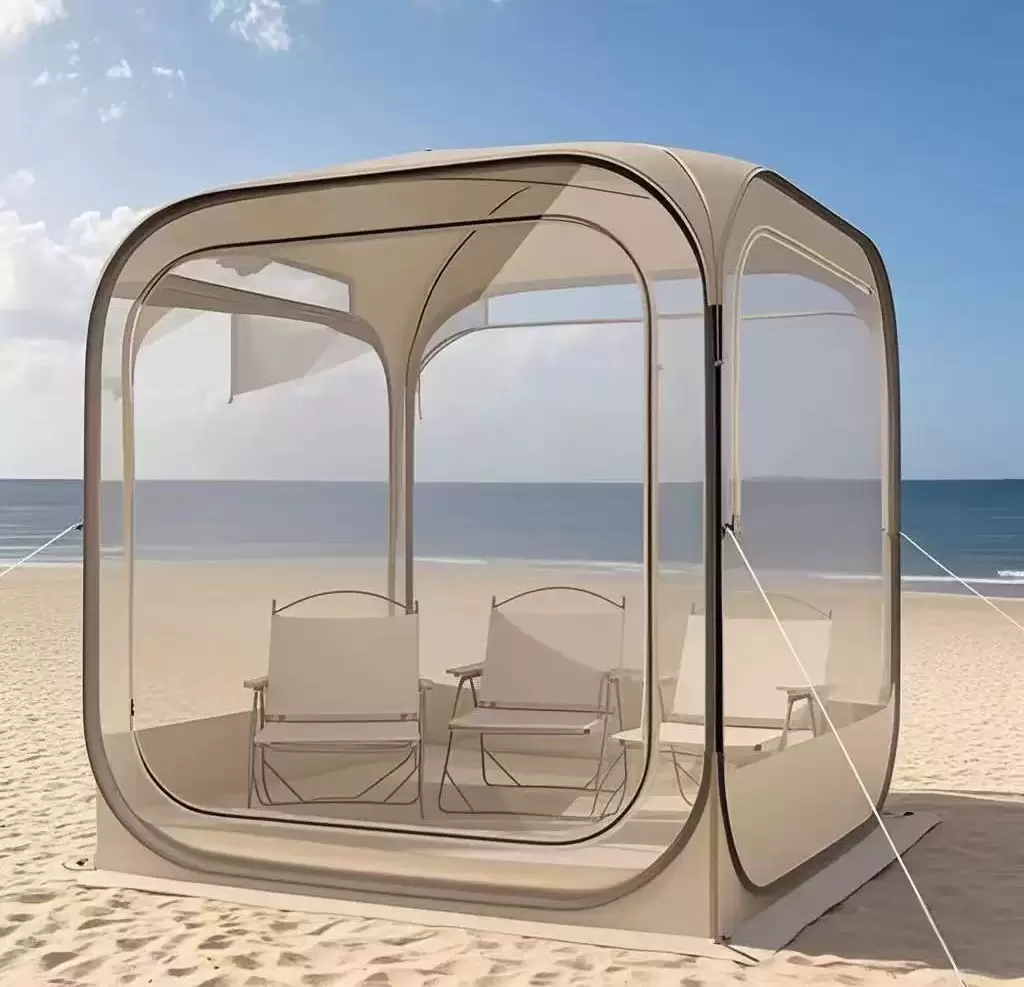
2. Choosing the Right Size
Size is one of the most critical considerations when buying a bubble tent. The right size ensures comfort, usability, and convenience.
Factors to Consider for Tent Size
Number of Occupants: Consider who will use the tent. For couples, a 2-person bubble tent may suffice, whereas families may require larger models accommodating 4–6 people.
Usage Purpose: If the tent will be used for sleeping, a slightly larger model is better to accommodate sleeping bags, air mattresses, and personal items. For stargazing or lounging, a smaller tent might be sufficient.
Storage Space: Check if you have room to store the tent when not in use. Larger bubble tents require more storage space.
Height Clearance: Some bubble tents have low ceilings, while others allow standing height. Consider whether you want to move around comfortably inside the tent.
Portability: Larger tents are often heavier and bulkier. Balance your need for space with portability.
Common Sizes
Single/Two-Person Bubble Tents: Usually around 2–3 meters in diameter; perfect for couples or solo adventurers.
Family Bubble Tents: 3–5 meters in diameter; designed for 4–6 occupants and includes space for air mattresses and gear.
Large Group Bubble Tents: 5 meters and above; ideal for outdoor events, group glamping, or special occasions.
Selecting the right size ensures a comfortable and enjoyable experience without feeling cramped or overpacked.
3. Material Selection
Material quality directly affects the durability, comfort, and safety of your outdoor pop-up bubble tent. Here are the most important aspects to consider:
Transparent Materials
PVC (Polyvinyl Chloride): Commonly used for clear bubble walls; provides excellent transparency and UV resistance. Durable and waterproof, PVC is easy to clean but can become hot in direct sunlight.
TPU (Thermoplastic Polyurethane): More eco-friendly than PVC, TPU is flexible, durable, and resistant to tearing. It also offers better temperature regulation and is often preferred for premium bubble tents.
Polycarbonate Panels: Rare but highly durable, offering superior scratch resistance and clarity.
Frame Materials
Steel Frames: Extremely durable and capable of withstanding wind and pressure. Heavy and less portable.
Aluminum Frames: Lightweight and rust-resistant; ideal for portable models.
Fiberglass Poles: Flexible and light but less durable in extreme weather conditions.
Material Considerations
UV Resistance: Ensure the material can block harmful UV rays if you plan to use it during sunny days.
Waterproofing: Look for tents with a minimum 2000 mm water column rating for light rain resistance.
Breathability: Some bubble tents include ventilation panels or mesh windows to prevent condensation inside.
Choosing high-quality materials ensures that your bubble tent lasts longer, provides comfort, and maintains its transparency for a clear outdoor experience.
4. Key Features to Look For
Beyond size and material, several features enhance the usability and overall experience of a bubble tent.
Ventilation and Airflow
Proper airflow is crucial to avoid heat buildup and condensation. Look for bubble tents with:
Mesh windows or panels
Adjustable air vents
Optional portable fans for hot climates
Portability and Storage
Pop-up bubble tents are designed to be portable. Features that enhance mobility include:
Lightweight frames
Foldable and compact design
Carrying bags with handles
Weather Protection
Even though bubble tents are mainly for fair-weather use, some models offer:
Waterproof seams
UV-resistant coating
Windproof structures with reinforced frames
Additional Comfort Features
Built-in floors or mats for added comfort
LED lighting or solar-powered lights for nighttime use
Zippered doors for easy entry and exit
Privacy options, such as opaque or tinted panels
Safety Features
Fire-retardant materials
Stable anchoring systems for windy conditions
Rounded edges on frames to prevent injuries
These features enhance both the safety and enjoyment of your outdoor adventures.
5. Setup and Maintenance Tips
Even the best outdoor pop-up bubble tent requires proper setup and maintenance to maximize its lifespan.
Setup Tips
Choose a Flat Surface: Ensure the ground is free of sharp objects.
Unfold Carefully: Avoid dragging the tent on rough surfaces.
Anchor Securely: Use stakes or weights if necessary.
Check Weather Conditions: Avoid setting up in extreme winds or heavy rain unless the tent is designed for it.
Maintenance Tips
Cleaning: Use mild soap and water; avoid abrasive cleaners.
Drying: Ensure the tent is fully dry before storage to prevent mold and mildew.
Storage: Store in a cool, dry place. Avoid exposure to direct sunlight for prolonged periods.
Inspect Regularly: Check seams, zippers, and frames for damage before each use.
Proper care ensures that your bubble tent remains functional, safe, and visually appealing for years.
6. Popular Use Cases
Outdoor pop-up bubble tents are versatile and suited for various scenarios:
Glamping Trips: A stylish and immersive camping experience.
Romantic Getaways: Starry nights with panoramic views.
Photography and Nature Watching: Clear walls allow unobstructed observation of wildlife.
Festivals and Events: Eye-catching, comfortable shelter for outdoor gatherings.
Backyard Adventures: Fun, unique experiences without leaving home.
7. Conclusion
Choosing the right outdoor pop-up bubble tent involves considering size, material, and key features. A well-selected tent enhances comfort, safety, and overall enjoyment while providing a unique connection to nature. Whether you’re a solo adventurer, a couple, or a family, understanding these factors will help you make an informed decision.
Remember, the perfect bubble tent balances comfort, portability, durability, and aesthetics. By carefully evaluating your needs and comparing different models, you can find the ideal outdoor pop-up bubble tent for your next adventure.






 SIGN UP FOR NEWSLETTER
 Room 2015, Building 1, No. 114, Pudong, Xiaojiang Village, Shuangpu Town, Xihu District, Hangzhou City, Zhejiang Province
