


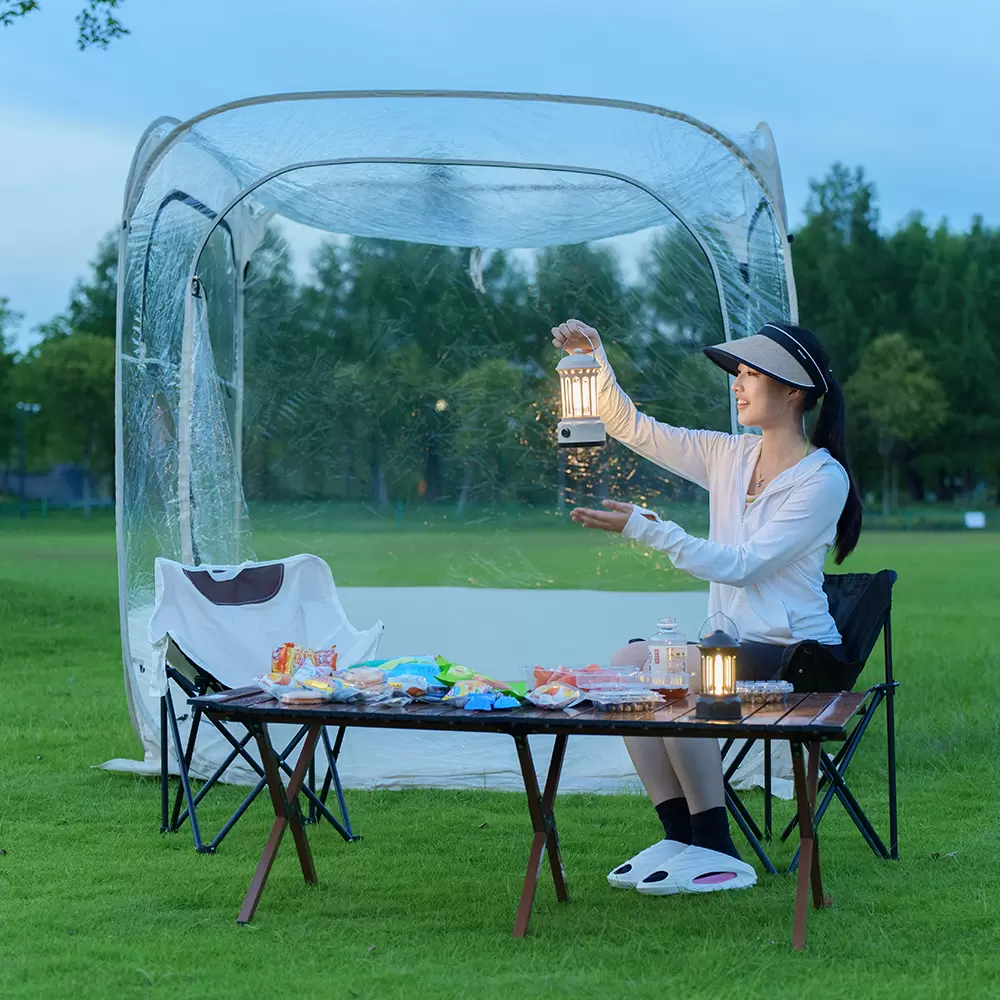
Outdoor pop-up bubble tents have become increasingly popular for glamping, backyard leisure, outdoor events, and commercial hospitality setups. Their transparent walls and unique design provide immersive experiences, but they also require proper cleaning and maintenance to ensure durability, safety, and aesthetic appeal. Neglecting these essential care steps can lead to yellowing, scratches, air leakage, or structural damage.
In this article, we provide a comprehensive guide on how to clean and maintain an outdoor pop-up bubble tent, ensuring your investment lasts for many seasons.
Understanding the Materials of Your Bubble Tent
Before cleaning or performing maintenance, it is essential to understand the materials used in your outdoor pop-up bubble tent. Most bubble tents are made from:
PVC (Polyvinyl Chloride): Widely used due to its flexibility and clarity. PVC is relatively easy to clean but can yellow over time under UV exposure.
TPU (Thermoplastic Polyurethane): Offers better cold resistance and anti-yellowing properties. TPU is more durable but requires gentle cleaning to avoid scratches.
Oxford Fabric or Polyester Base: Often used for the tent floor or support panels. These fabrics require standard outdoor fabric cleaning techniques.
Aluminum or Fiberglass Frames: Provide structural stability. While these require less frequent cleaning, corrosion prevention is essential.
Pro Tip: Always consult the manufacturer’s specifications before using any cleaning agents or abrasive tools.
Regular Cleaning Routine
A consistent cleaning routine is key to keeping your bubble tent in top condition. Follow these steps for bubble tent cleaning:
1. Remove Loose Dirt and Debris
Before applying any liquid cleaner, remove surface dirt using a soft brush or microfiber cloth. This step prevents scratches during cleaning.
Sweep away leaves, sand, or dust from both inside and outside.
Shake out the tent floor mats or rugs, if included.
2. Prepare a Gentle Cleaning Solution
Harsh chemicals can damage the bubble tent’s material. Use a mixture of:
Mild dish soap or biodegradable tent cleaner
Warm water
Avoid bleach, ammonia, or abrasive cleaners, as these may cause clouding or weaken the tent’s material.
3. Clean Transparent Panels
Dip a soft sponge or microfiber cloth in the cleaning solution.
Gently wipe the interior and exterior surfaces in circular motions.
Rinse thoroughly with clean water to remove soap residue.
Avoid direct sunlight while cleaning, as sudden temperature changes can cause material stress.
Tip: For stubborn stains or minor scuffs, a vinegar-water solution (1:3 ratio) can help without damaging the material.
4. Clean the Tent Floor
Use a soft broom or cloth to remove dirt.
For deep cleaning, use warm soapy water and lightly scrub.
Rinse and allow the floor to air dry completely before packing away.
5. Dry the Tent Properly
Proper drying prevents mold, mildew, and odor formation:
Keep the tent fully inflated or spread out while drying.
Use towels to remove excess water from seams and folds.
Ensure airflow through ventilation windows to speed drying.
Maintenance Tips for Longevity
Cleaning is only half the equation. Regular pop-up bubble tent maintenance ensures structural integrity, air retention, and user safety.
1. Check for Air Leaks
Inspect seams, zippers, and valve connections for air leaks.
Use soapy water on suspected areas; bubbles indicate leaks.
Repair minor punctures with a TPU/PVC repair patch.
2. Protect Against UV Damage
UV exposure can cause yellowing and brittleness over time.
Apply UV protective sprays compatible with PVC or TPU.
Avoid prolonged exposure to direct sunlight when not in use.
3. Inspect Frame and Supports
Check aluminum or fiberglass rods for bends, cracks, or corrosion.
Tighten all fasteners and replace damaged parts promptly.
Store frames separately if possible during off-season storage.
4. Proper Storage Practices
Deflate the tent fully and fold carefully to avoid creases.
Store in a cool, dry place away from sharp objects.
Use the manufacturer-provided storage bag or a breathable fabric cover.
5. Seasonal Deep Cleaning
Perform a seasonal deep clean, especially before storing the tent for winter or after prolonged outdoor use:
Wash both transparent panels and fabric sections thoroughly.
Inspect all seams, zippers, and air valves for damage.
Apply anti-mold spray to prevent mildew in humid conditions.
Common Mistakes to Avoid
Even experienced users sometimes make mistakes that reduce tent lifespan:
Using Abrasive Tools: Brushes with stiff bristles can scratch transparent panels.
Folding When Wet: Moisture trapped in folds promotes mold growth.
Ignoring Small Tears: Minor punctures can expand under air pressure.
Storing in Sunlight: Prolonged exposure to UV accelerates yellowing and material degradation.
Over-Inflation: Excessive pressure can strain seams and valves, leading to leaks.
By avoiding these pitfalls, you ensure that your bubble tent remains clear, functional, and durable.
Advanced Tips for Commercial and Frequent Use
For hospitality businesses, event planners, or glamping resorts, bubble tent care tips extend beyond basic cleaning:
Scheduled Inspections: Maintain a log of weekly or monthly checks for leaks, wear, and tear.
Protective Flooring: Use removable mats or rugs to reduce dirt accumulation on the tent floor.
Climate Considerations: Use wind anchors, heat-resistant covers, or UV shields depending on environmental exposure.
Professional Maintenance: For large installations, consider periodic professional cleaning or material restoration services.
Eco-Friendly Cleaning Practices
Many brands and users aim to reduce environmental impact. Here are eco-friendly cleaning strategies:
Use biodegradable soaps and cleaning agents.
Avoid high-pressure washers that can damage material and create wastewater runoff.
Recycle or repurpose worn-out storage covers or mats.
Dispose of damaged tent parts according to local environmental guidelines.
Conclusion
Cleaning and maintaining an outdoor pop-up bubble tent is not just about aesthetics—it is critical for longevity, safety, and performance. A well-maintained bubble tent provides a more enjoyable experience, resists weathering, and reduces long-term costs associated with repairs or replacement.
By implementing regular cleaning routines, performing timely maintenance, using proper storage methods, and following eco-friendly practices, both personal users and commercial operators can enjoy clear, durable, and reliable outdoor bubble tents for years to come.
Whether you own a single backyard bubble tent or manage a fleet for glamping and hospitality, bubble tent cleaning and maintenance should always be a priority. Following these tips ensures that your outdoor investment remains a centerpiece of comfort, style, and functionality.







 SIGN UP FOR NEWSLETTER
 Room 2015, Building 1, No. 114, Pudong, Xiaojiang Village, Shuangpu Town, Xihu District, Hangzhou City, Zhejiang Province
