


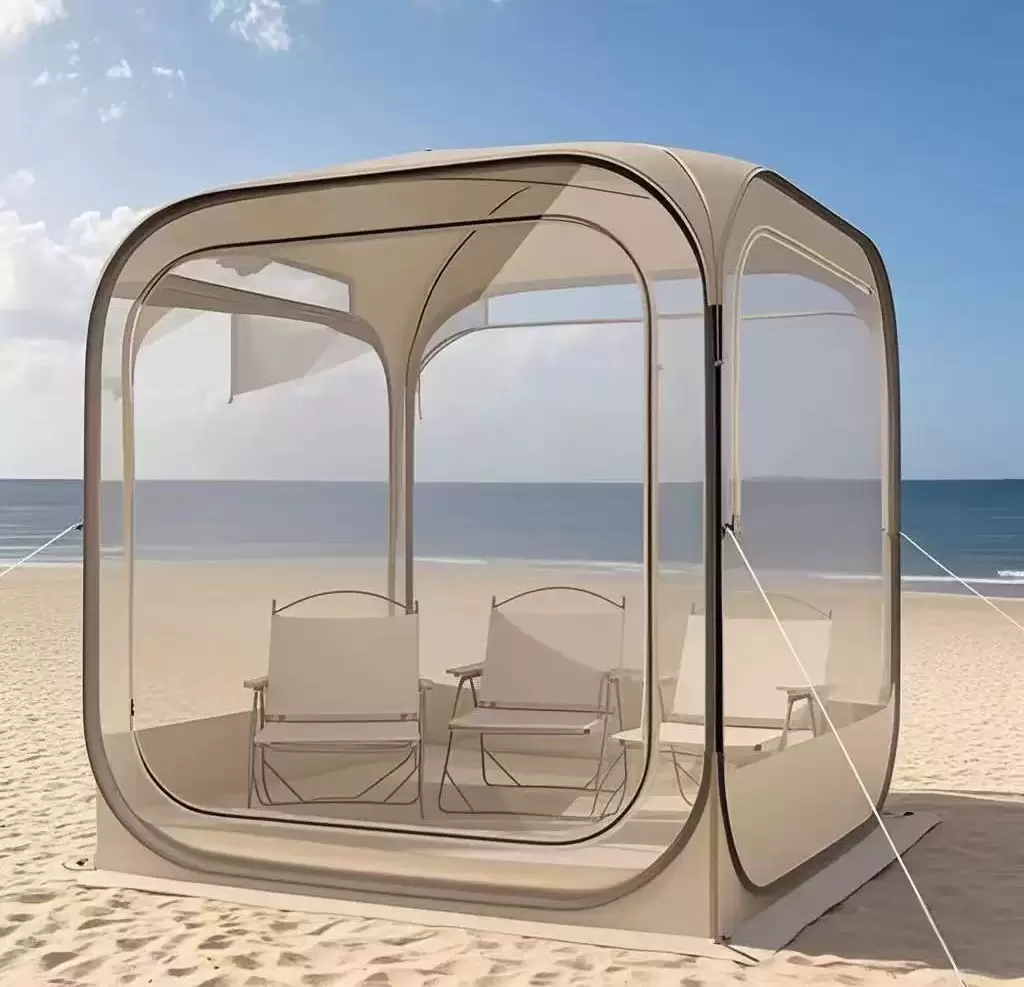
Outdoor pop-up bubble tents have become increasingly popular in recent years, offering a unique way to enjoy the outdoors while maintaining comfort and style. Their transparent design allows for stargazing, wildlife observation, and an immersive nature experience, all while providing shelter from the elements. However, for beginners, using these tents safely requires knowledge of proper setup, maintenance, and safety precautions. This article will guide you through essential safety tips for outdoor pop-up bubble tents, helping you enjoy a secure and memorable outdoor experience.
1. Understanding Outdoor Pop-Up Bubble Tents
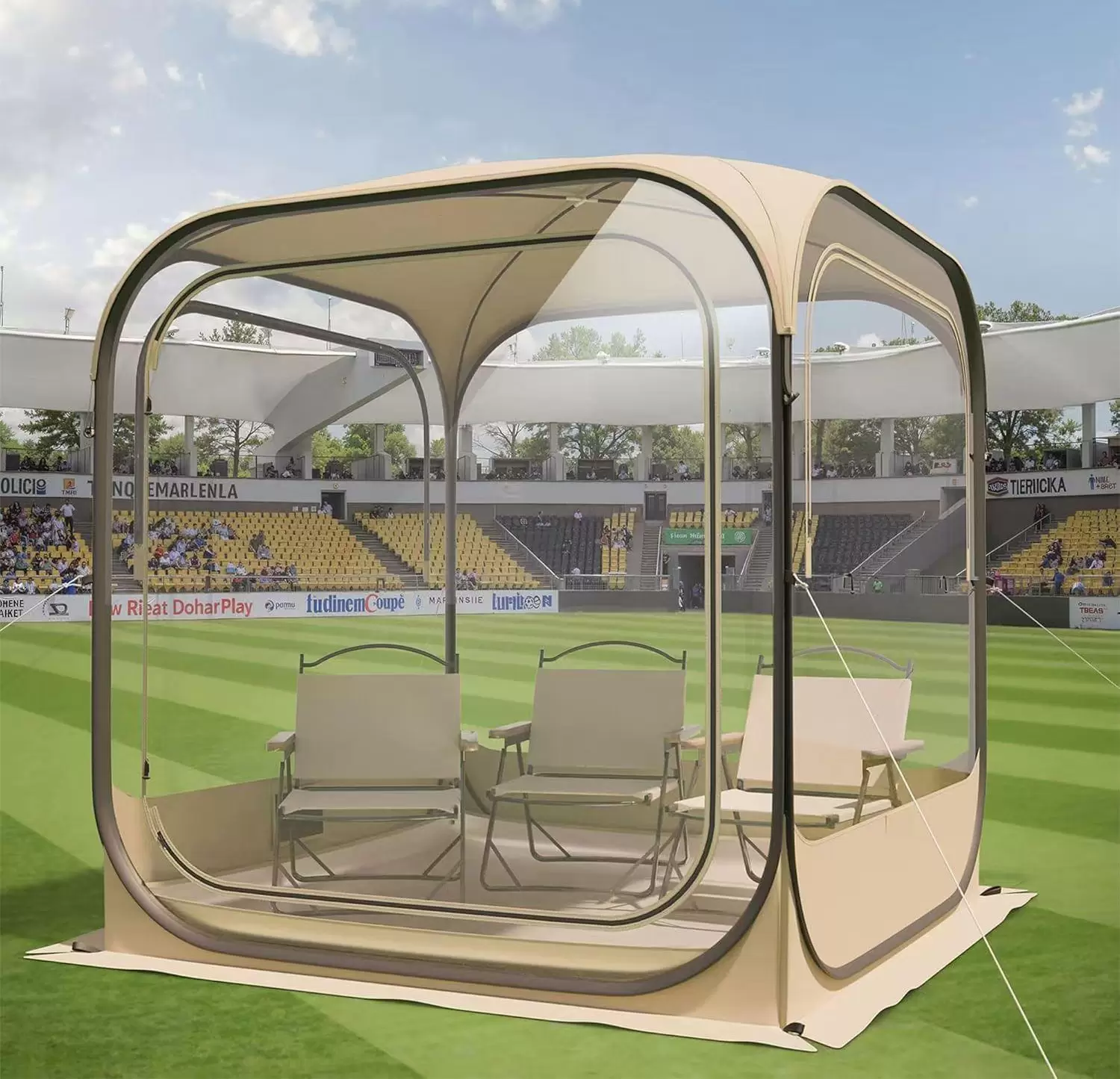
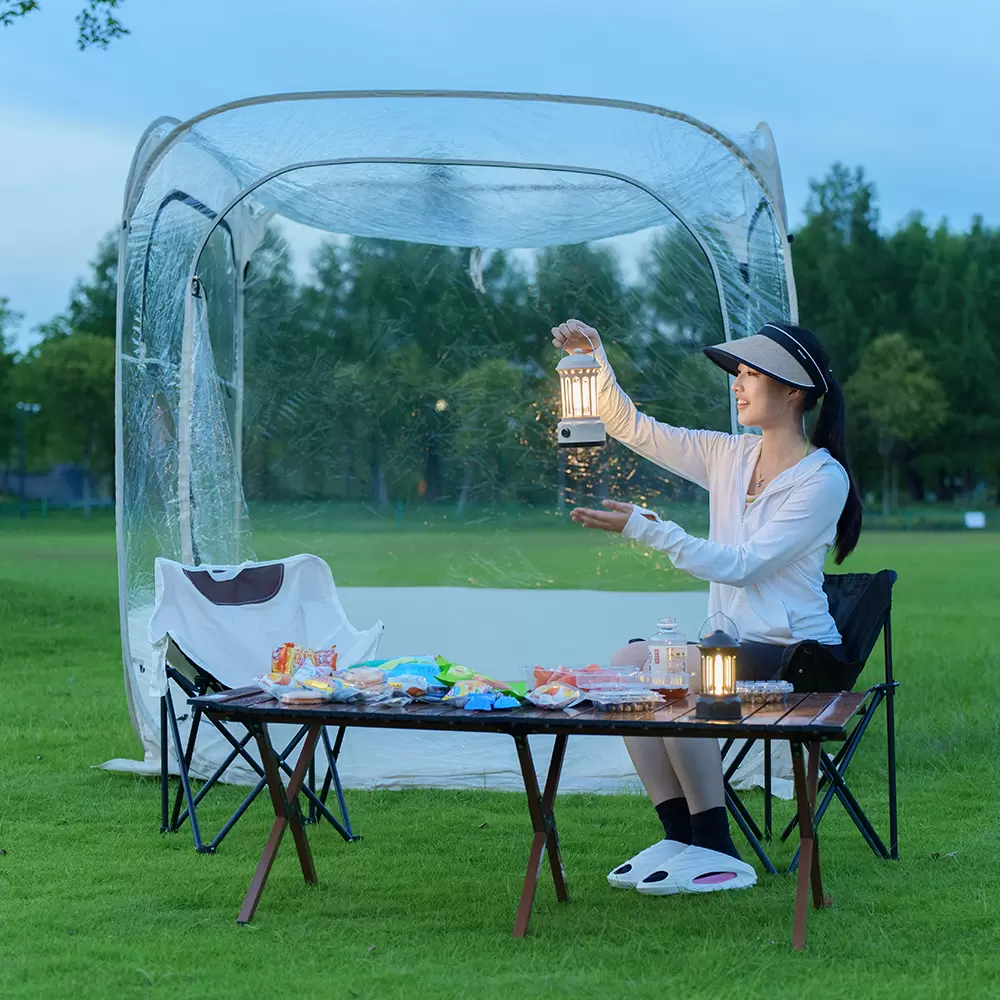
Before diving into safety tips, it’s crucial to understand what makes outdoor pop-up bubble tents unique. Unlike traditional tents, bubble tents are typically made from durable PVC or TPU materials and feature a semi-spherical, inflatable design. Many models are fully transparent or partially transparent, which provides panoramic views but also requires attention to ventilation and UV protection.
Key aspects beginners should note include:
Inflatable structure: Most bubble tents are supported by air-filled frames. Correct inflation is critical for stability.
Ground anchoring: Despite their lightweight design, bubble tents must be properly secured to withstand wind and uneven terrain.
Access points: Most models have zippers or magnetic doors, which need careful handling to avoid damage.
Understanding these fundamentals sets the stage for safe setup and use.
2. Choosing the Right Bubble Tent
The first step in ensuring safety is choosing the right bubble tent for your outdoor adventure. Consider these factors:
Size and capacity: Pick a tent that comfortably accommodates the number of users. Overcrowding can cause instability and increase the risk of accidents.
Material quality: Look for high-quality PVC or TPU that resists punctures and UV damage. Cheap materials may degrade quickly under sunlight or sharp objects.
Weather resistance: If you plan to use the tent in windy or rainy conditions, choose a model designed to handle such elements.
Accessories and features: Some outdoor bubble tents come with built-in ventilation systems, attachable canopies, or internal flooring, all of which enhance safety and comfort.
Choosing the right tent upfront reduces the likelihood of accidents and makes your outdoor experience more enjoyable.
3. Proper Setup for Beginners
One of the most critical aspects of bubble tent safety is correct setup. Beginners often make mistakes during this process, leading to structural instability or material damage. Follow these steps to ensure safety:
Select a safe location: Avoid setting up the tent on steep slopes, rocky surfaces, or areas prone to flooding. A flat, dry surface is ideal.
Clear the ground: Remove sharp objects, stones, or sticks that could puncture the tent. Some tents come with protective ground sheets, which add an extra layer of safety.
Anchor securely: Use the provided stakes, ropes, or sandbags to secure your bubble tent. Wind can easily shift an unsecured tent, especially if it’s fully inflated.
Inflate carefully: Use a compatible pump, and do not overinflate. Excess pressure can stress the seams and cause tears.
Check doors and zippers: Ensure that all access points are functioning properly before use to prevent accidental falls or entrapment.
A well-executed setup significantly reduces risks associated with outdoor pop-up bubble tents.
4. How to Use a Bubble Tent Safely
Once your tent is set up, following proper usage guidelines is equally important. Beginners should pay attention to the following tips:
Ventilation: Transparent bubble tents can trap heat quickly. Use built-in vents or slightly open doors to maintain airflow and prevent overheating.
Avoid open flames: Do not use candles, stoves, or heaters inside the tent. Bubble tent materials are highly flammable.
Weight limits: Adhere to manufacturer guidelines regarding the maximum number of occupants or weight inside the tent. Overloading can compromise structural integrity.
Supervision of children: Children should never be left unsupervised in bubble tents. Their activity may accidentally damage the tent or cause injuries.
Keep sharp objects away: Avoid knives, scissors, or other sharp items near the tent walls to prevent punctures.
By understanding and following these basic rules, beginners can safely enjoy their bubble tents without incident.
5. Bubble Tent Maintenance Tips
Maintaining your bubble tent is vital for safety and longevity. Poor maintenance can lead to leaks, weak seams, or material degradation. Beginners should consider the following bubble tent maintenance tips:
Regular cleaning: Use mild soap and water to clean the tent. Avoid harsh chemicals that may weaken the material.
Check for leaks: Inspect seams and panels regularly. Small leaks can escalate into major failures if left unattended.
Proper storage: Deflate and fold the tent carefully. Store it in a cool, dry place away from direct sunlight to prevent material deterioration.
Repair promptly: Use repair kits provided by the manufacturer to fix punctures or tears immediately.
Inspect accessories: Ensure that ropes, stakes, and pumps are in good condition before each use.
Routine maintenance not only prolongs the life of your tent but also ensures safe usage for future adventures.
6. Outdoor Bubble Tent Accessories for Safety
Using the right outdoor bubble tent accessories can enhance safety and comfort. Consider investing in:
Ground tarps: Protect the tent floor from sharp objects and moisture.
Wind anchors: Extra stakes or sandbags provide additional stability in windy conditions.
Ventilation kits: Add-ons that improve airflow reduce the risk of overheating.
Protective covers: UV-resistant covers shield the tent from sun damage and prolong its lifespan.
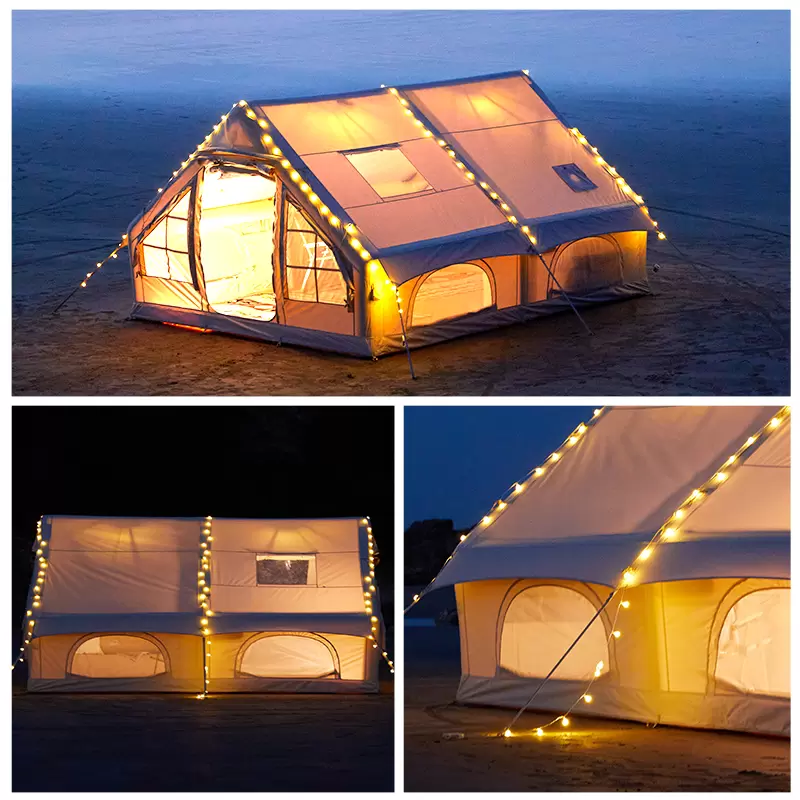
Portable lighting: LED lights designed for tent use improve visibility inside without introducing fire hazards.
These accessories make the tent experience safer and more enjoyable, particularly for beginners unfamiliar with outdoor setups.
7. Common Mistakes to Avoid
Beginners often make simple mistakes that compromise safety. Avoid the following:
Overinflation: Can cause seams to burst.
Ignoring weather conditions: Bubble tents are not designed for extreme storms.
Using the tent on uneven surfaces: Increases risk of tipping or material damage.
Improper storage: Folding or storing the tent while wet can lead to mold or material degradation.
Neglecting ventilation: Can cause heat buildup and discomfort.
By avoiding these mistakes, you minimize risks and ensure a secure outdoor experience.
8. Final Thoughts
Outdoor pop-up bubble tents offer a unique and immersive way to enjoy nature, but safety should always be the top priority, especially for beginners. By choosing the right tent, setting it up properly, following safe usage practices, maintaining it regularly, and using the right accessories, you can significantly reduce risks and enjoy a worry-free experience.
Whether you’re camping with family, hosting a glamping experience, or enjoying a private retreat under the stars, following these outdoor pop-up bubble tent safety tips for beginners will help you make the most of your adventure while keeping everyone safe.







 SIGN UP FOR NEWSLETTER
 Room 2015, Building 1, No. 114, Pudong, Xiaojiang Village, Shuangpu Town, Xihu District, Hangzhou City, Zhejiang Province
