


Backpacking is one of the most liberating ways to experience the outdoors. The sense of freedom, connection with nature, and simplicity of traveling light are unmatched. However, a critical element of any backpacking adventure is shelter. Traditional tents can be bulky, heavy, and time-consuming to set up—factors that can hinder your mobility and enjoyment. This is where lightweight outdoor pop-up bubble tents come into play, revolutionizing the way backpackers camp and explore nature.
What Are Outdoor Pop-Up Bubble Tents?
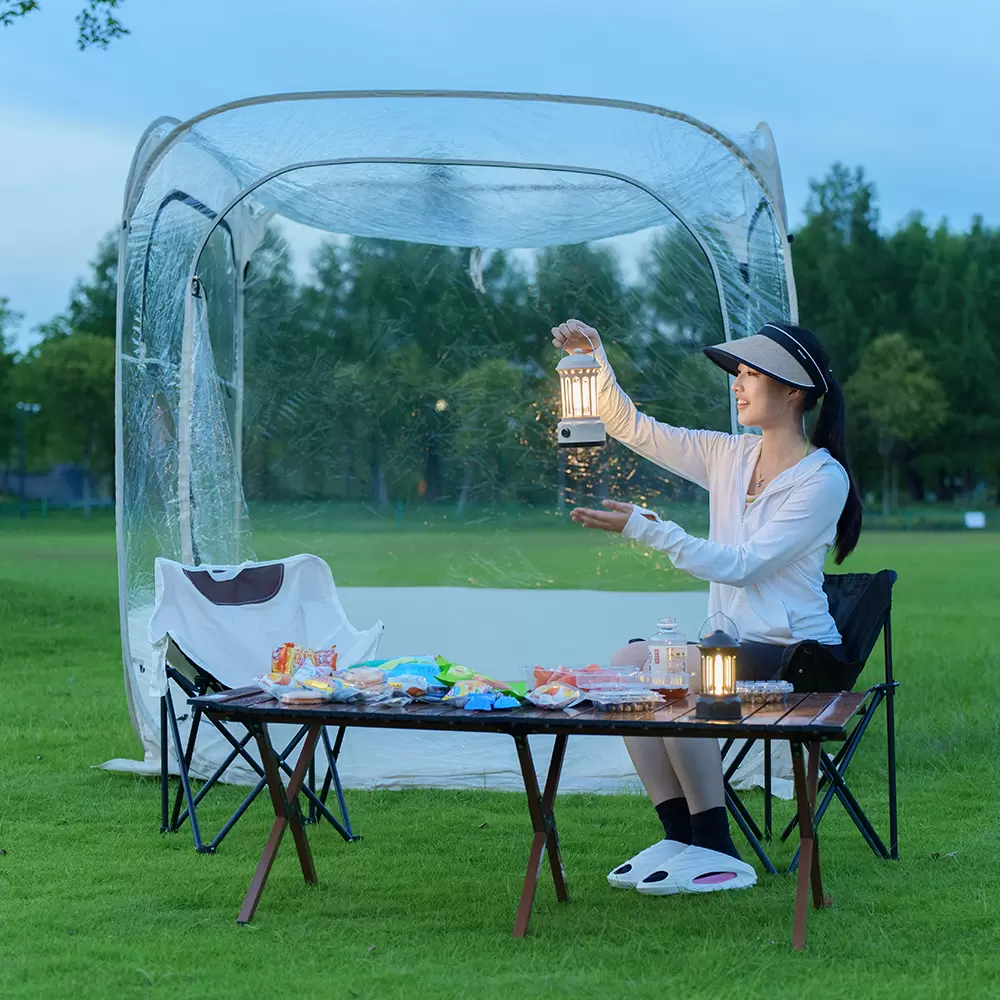
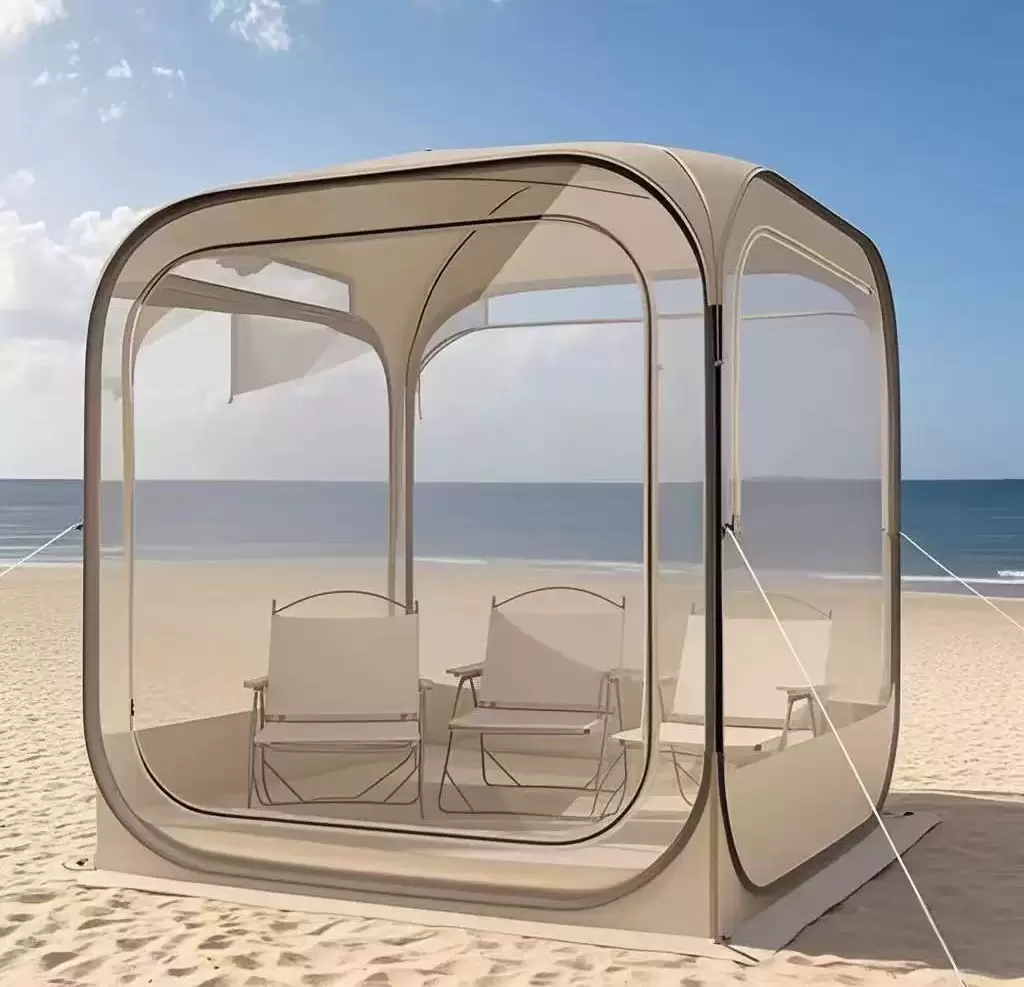
Outdoor pop-up bubble tents are innovative, transparent or semi-transparent shelters designed for quick and effortless setup. Unlike conventional tents, which often require poles, ropes, and multiple steps, pop-up bubble tents automatically spring into shape when unfolded. Their design is typically dome-shaped, bubble-like, and made from durable yet lightweight materials, allowing for easy portability.
These tents have gained popularity among hikers, stargazers, couples, and solo travelers who value convenience, comfort, and a unique outdoor experience. The transparency of the material offers an immersive view of the surrounding environment while still providing protection from wind, insects, and light rain.
Why Lightweight Pop-Up Bubble Tents Are Ideal for Backpacking
Backpacking requires gear that is compact, easy to carry, and simple to set up. Here’s why lightweight pop-up bubble tents fit the bill perfectly:
1. Ultra-Lightweight and Compact
Weight is a critical factor for backpackers. A traditional two-person tent can weigh 5 to 7 kilograms (11–15 pounds) or more. In contrast, lightweight pop-up bubble tents typically weigh between 1.5 to 3 kilograms (3–6 pounds), making them far easier to carry over long distances. Their compact carrying bags allow them to fit into or attach to backpacks without occupying too much space, freeing up room for other essentials like food, water, and gear.
2. Quick and Hassle-Free Setup
Time and energy are precious during backpacking trips. Pop-up bubble tents are designed for rapid deployment—usually less than a minute. You simply remove the tent from its bag, give it a shake, and it unfolds automatically. There’s no need to wrestle with poles, stakes, or complicated assembly instructions. This convenience allows backpackers to set up camp quickly, even as daylight fades.
3. Enhanced Outdoor Experience
Unlike conventional opaque tents, bubble tents are often transparent or semi-transparent, giving campers an unobstructed view of the night sky, forests, or mountains. This design transforms ordinary camping into a more immersive experience. Imagine lying in your tent, gazing at stars, or watching a sunrise without leaving your cozy shelter. This feature makes them especially appealing for solo adventurers, couples, and photographers seeking unique experiences.
4. Protection from the Elements
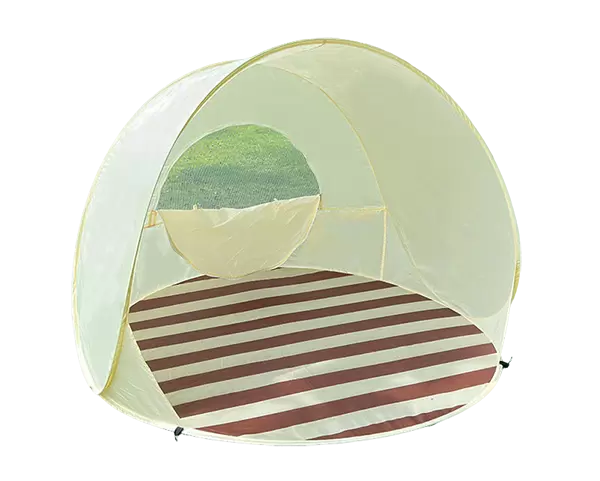
Despite their lightweight and minimalistic design, high-quality pop-up bubble tents provide impressive protection. They are typically made from waterproof or water-resistant materials, shielding campers from rain and moisture. Many models also include ventilation flaps to prevent condensation while keeping insects and small animals out. Wind resistance varies depending on design, but stakes and guy lines can often be added to stabilize the tent during moderate winds.
5. Versatility for Multiple Activities
Lightweight pop-up bubble tents aren’t limited to backpacking. They are equally suitable for glamping, festivals, beach trips, and backyard camping. Their portable nature allows for easy relocation, making them ideal for multi-day trekking or spontaneous outdoor adventures.
Choosing the Right Pop-Up Bubble Tent for Backpacking
Not all bubble tents are created equal. When selecting a lightweight outdoor pop-up bubble tent for backpacking, consider the following factors:
1. Weight and Packability
Look for tents that are lightweight but still durable. The ideal backpacking tent should not exceed 3 kilograms (6 pounds) and should fold compactly to fit into your backpack. Consider how it packs down and whether it comes with a carrying bag with straps for easy transport.
2. Material Quality
High-quality pop-up bubble tents use waterproof, tear-resistant, and UV-protected materials. Common materials include PVC, TPU, or coated polyester. Transparent sections should be made from durable plastics that resist scratching and yellowing from sunlight.
3. Size and Capacity
Bubble tents come in various sizes, from one-person tents to larger family versions. Backpackers should opt for a tent that balances space and weight. A two-person tent is generally sufficient for solo travelers who want extra room or for couples.
4. Ventilation
Condensation can be an issue in bubble tents due to the enclosed nature of the structure. Look for tents with multiple ventilation flaps or mesh windows. Proper airflow will keep the interior comfortable and reduce moisture buildup.
5. Weather Resistance
While lightweight tents are excellent for mild weather, they may not withstand extreme conditions. Check the product specifications for wind and rain resistance. If you plan to backpack in unpredictable climates, consider additional stakes or guy lines for reinforcement.
6. Ease of Maintenance
A good backpacking tent should be easy to clean and maintain. Lightweight bubble tents often come with removable ground sheets and smooth surfaces that can be wiped clean. This feature ensures the tent remains functional and hygienic during extended trips.
Practical Tips for Using Pop-Up Bubble Tents on Backpacking Trips
To maximize the benefits of your lightweight outdoor pop-up bubble tent, keep these practical tips in mind:
Test the Tent Before Your Trip: Practice unfolding and folding the tent at home to avoid surprises in the wild.
Choose a Flat, Clear Spot: Remove rocks and sticks from the ground to prevent punctures and ensure stability.
Use a Ground Sheet: Even if the tent has a waterproof base, an additional ground sheet provides extra protection against moisture and wear.
Secure with Stakes: For windy conditions, stake the tent securely or use guy lines if available.
Ventilate Properly: Open ventilation flaps to reduce condensation during the night.
Pack Smart: Place the tent in an accessible part of your backpack for easy deployment when reaching your campsite.
Advantages Over Traditional Backpacking Tents
Compared to conventional backpacking tents, lightweight pop-up bubble tents offer several unique advantages:
Speed: Setup takes seconds instead of minutes.
Transparency: Enjoy natural views without stepping outside.
Portability: Lighter and easier to carry over long distances.
Novelty: Provides a unique camping experience, appealing to adventure-seekers and social media enthusiasts.
While they may not fully replace heavy-duty tents for extreme weather, for most backpacking trips in mild to moderate conditions, they are a game-changer.
Conclusion
For backpackers seeking convenience, portability, and a unique outdoor experience, lightweight outdoor pop-up bubble tents are an excellent choice. They combine ease of use, compactness, weather protection, and immersive design, allowing travelers to focus more on the adventure and less on setup. Whether you are stargazing under a remote sky, camping in the forest, or glamping at a scenic spot, these tents provide a perfect balance of comfort and practicality.
With the right model and careful preparation, pop-up bubble tents can redefine your backpacking adventures, making every trip lighter, faster, and more memorable. If you haven’t tried one yet, it might be time to elevate your camping game with a lightweight pop-up bubble tent—your gateway to effortless and immersive outdoor exploration.






 SIGN UP FOR NEWSLETTER
 Room 2015, Building 1, No. 114, Pudong, Xiaojiang Village, Shuangpu Town, Xihu District, Hangzhou City, Zhejiang Province
