


When choosing outdoor shelters, one of the most important decisions campers face is selecting between four-season tents and three-season tents. At first glance, they may look similar—both are portable shelters used for outdoor adventures—but their engineering, materials, and intended environments are very different.
Understanding these differences is essential if you want to choose the right type of camping tents for your specific needs. Using the wrong tent in harsh conditions can lead to discomfort at best and serious safety risks at worst.
This article provides a deep, practical comparison of four-season and three-season tents, covering design, materials, weather performance, usability, and real-world applications.
1. What Is a Three-Season Tent?
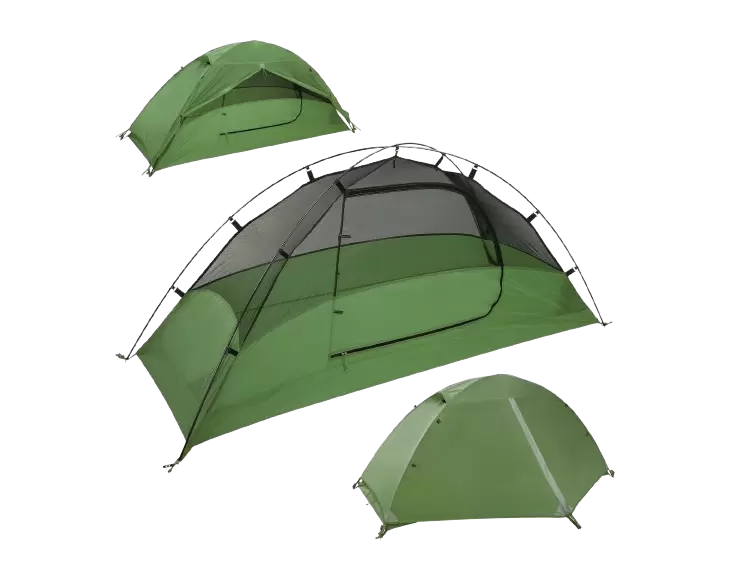
A three-season tent is the most commonly used type of camping tent. It is designed for spring, summer, and autumn conditions—hence the name “three-season.”
These tents are optimized for:
Mild to moderate weather
Good ventilation
Lightweight portability
Easy setup
Key Characteristics of Three-Season Camping Tents
Three-season tents typically feature:
Lightweight fabric materials such as nylon or polyester
Large mesh panels for airflow
Rainfly covers for rain protection
Flexible poles designed for moderate wind resistance
They are perfect for:
Backpacking trips
Family camping
Music festivals
Warm-weather outdoor adventures
However, they are not built for extreme winter environments, heavy snow loads, or hurricane-level winds.
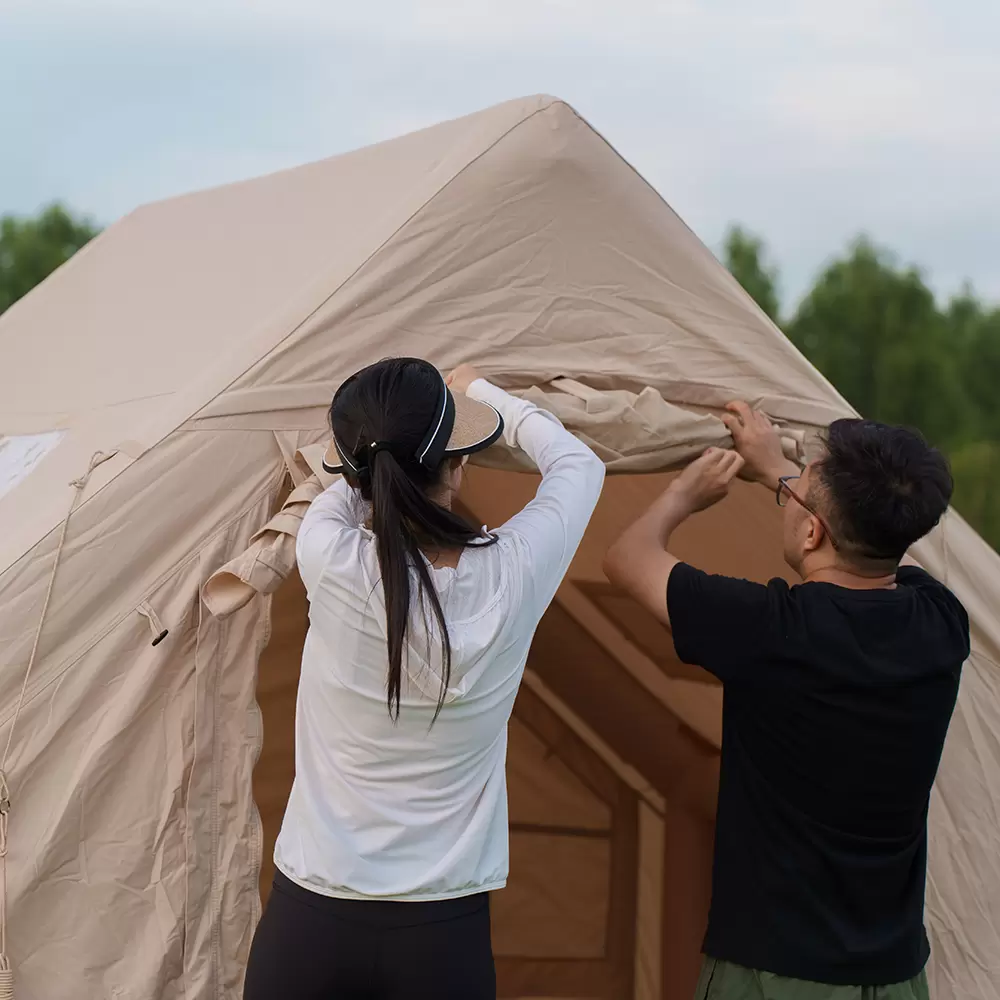
2. What Is a Four-Season Tent?
A four-season tent is designed for year-round use, including extreme winter conditions. Unlike three-season models, these camping tents are built to withstand snowstorms, freezing temperatures, and high-altitude winds.
They are commonly used by:
Mountaineers
Winter expedition teams
Arctic explorers
High-altitude trekkers
Key Characteristics of Four-Season Camping Tents
Four-season tents are engineered for durability and protection:
Strong geodesic or dome structures
Heavy-duty aluminum or reinforced poles
Minimal mesh panels for insulation
Thicker, more weather-resistant fabrics
Steep walls to shed snow efficiently
These features make them significantly more robust—but also heavier and less breathable than three-season tents.
3. Structural Design Differences
One of the most important differences between these two types of camping tents lies in their structural design.
Three-Season Tent Design
Three-season tents prioritize:
Lightweight construction
Flexibility
Ventilation
Most use simple dome or tunnel shapes that are easy to pitch. The goal is to balance comfort and portability rather than extreme durability.
Four-Season Tent Design
Four-season tents prioritize:
Strength and stability
Wind resistance
Snow load capacity
They often use:
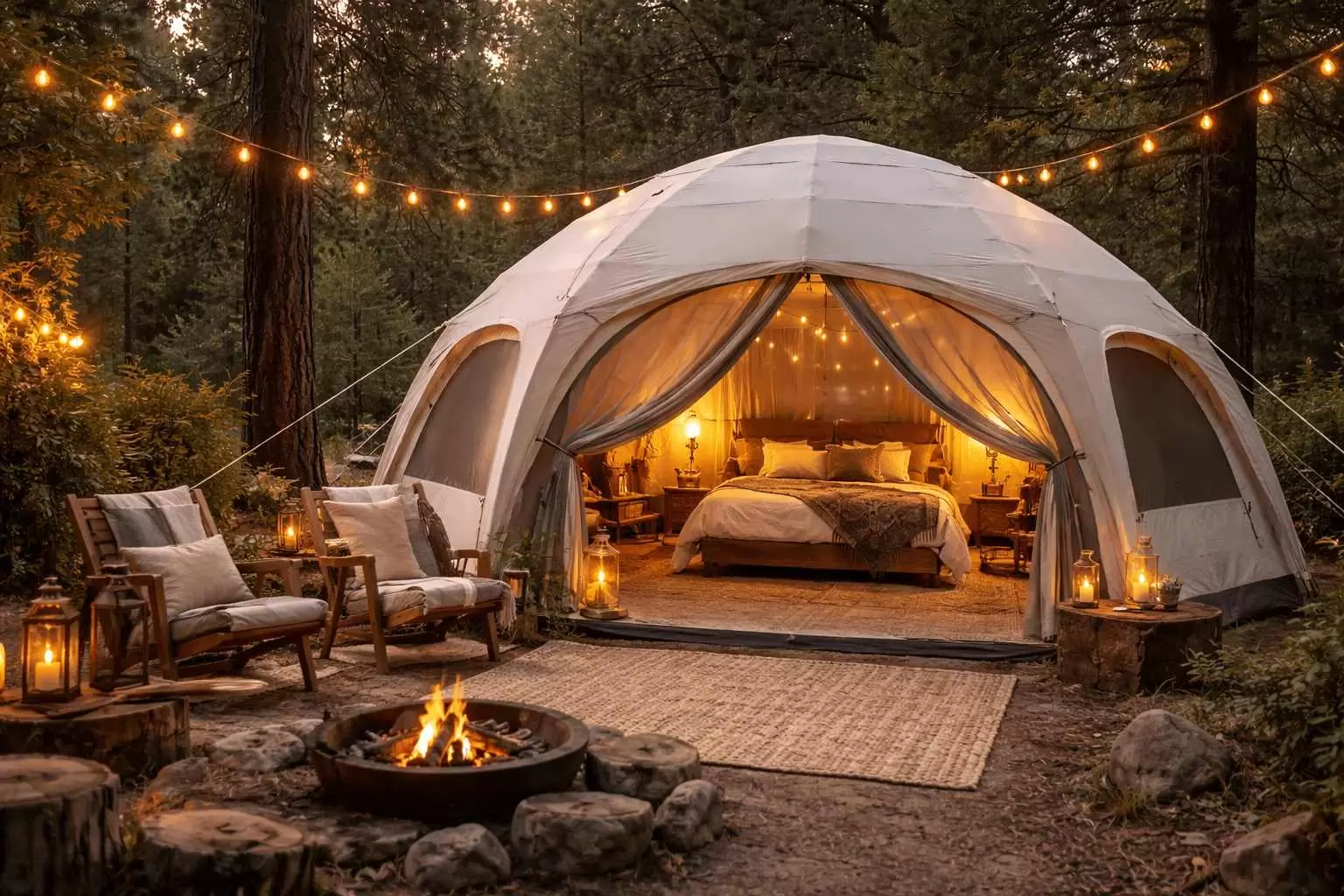
Geodesic dome structures (interconnected poles forming triangles)
Multiple crossing pole systems
Reinforced anchor points
This makes them far more stable in high winds and heavy snowfall.
4. Material Differences
The materials used in camping tents directly influence performance, durability, and weight.
Three-Season Tent Materials
Lightweight polyester or nylon fabrics
Partial mesh walls for airflow
Thin aluminum or fiberglass poles
Standard waterproof coatings (PU layers)
These materials are optimized for comfort and weight reduction.
Four-Season Tent Materials
Heavy-duty ripstop nylon or reinforced polyester
High-denier fabrics for tear resistance
Strong aluminum alloy or carbon fiber poles
Multiple waterproof and windproof coatings (PU + silicone layers)
These materials significantly increase durability but also add weight.
5. Weather Resistance Comparison
Weather protection is where the biggest differences between these camping tents become obvious.
Three-Season Tents
Three-season tents are designed to handle:
Rain
Light wind
Moderate temperatures
However, they struggle with:
Heavy snow accumulation
Strong wind gusts
Sub-zero temperatures
Four-Season Tents
Four-season tents are built for extreme environments:
Heavy snow loads
High winds (mountain storms, blizzards)
Freezing temperatures well below 0°C
Their steep design allows snow to slide off instead of accumulating on the roof, reducing collapse risk.
6. Ventilation vs Insulation
Another key difference between these camping tents is how they handle airflow and insulation.
Three-Season Tents: Maximum Ventilation
Three-season tents prioritize airflow:
Large mesh panels reduce condensation
Air circulation keeps interior cool in summer
Lightweight design prevents overheating
This makes them ideal for warm-weather camping.
Four-Season Tents: Maximum Insulation
Four-season tents focus on retaining heat:
Minimal mesh reduces heat loss
Thick fabric traps warmth inside
Adjustable vents control condensation
While this is essential in winter, it can make them feel warm or stuffy in summer.
7. Weight and Portability
Weight is one of the most noticeable differences between these two camping tents.
Three-Season Tents
Lightweight (often 1–3 kg for backpacking models)
Easy to carry over long distances
Designed for hikers and travelers
Four-Season Tents
Heavier (often 3–8 kg or more)
Bulkier packed size
More difficult to transport long distances
The extra weight comes from stronger poles, thicker fabric, and reinforced construction.
8. Ease of Setup
Setup experience varies significantly between these two types of camping tents.
Three-Season Tents
Quick setup (often under 10 minutes)
Fewer poles and simpler structure
Beginner-friendly
Four-Season Tents
More complex setup process
Requires correct anchoring techniques
May take longer in harsh weather conditions
In extreme environments, proper setup is critical for safety and stability.
9. Comfort and Interior Space
Comfort is another factor where the differences become clear.
Three-Season Tents
More breathable and airy
Better for extended stays in mild weather
Often include mesh storage pockets and windows
Four-Season Tents
Warmer but less ventilated
Designed for survival rather than luxury
Interior space may feel tighter due to reinforced structure
These camping tents are built for function, not spacious comfort.
10. Durability and Lifespan
Durability is where four-season tents clearly outperform three-season models.
Three-Season Tents
Good for regular seasonal use
May degrade faster under extreme weather exposure
Less resistant to abrasion and heavy stress
Four-Season Tents
Built for long-term extreme conditions
Resistant to wind, snow, and rough terrain
Longer lifespan under harsh usage
If used properly, four-season tents can last many years in demanding environments.
11. Price Differences
Cost is another major consideration when choosing camping tents.
Three-Season Tents
Generally affordable
Wide price range for beginners and families
Good value for casual campers
Four-Season Tents
More expensive due to advanced materials
Higher engineering and manufacturing cost
Targeted at professionals and serious adventurers
The price difference reflects performance and durability levels.
12. Best Use Cases for Each Type
Choosing the right tent depends on your outdoor activities.
Three-Season Tents Are Best For:
Weekend camping trips
Summer hiking and backpacking
Music festivals
Warm climate travel
Four-Season Tents Are Best For:
Winter camping in snow
Mountain expeditions
High-altitude climbing
Arctic or extreme environments
Understanding your use case ensures you pick the right type of camping tents.
13. Can a Four-Season Tent Be Used in Summer?
Yes, but with limitations.
Four-season tents can be used in summer conditions, but they may:
Retain too much heat
Offer less airflow
Feel less comfortable in hot climates
Some models include adjustable vents to improve ventilation, making them more versatile year-round.
14. Which One Should You Choose?
The decision between three-season and four-season camping tents depends on your priorities:
If you value lightweight travel and warm-weather comfort → choose a three-season tent
If you need maximum protection in extreme environments → choose a four-season tent
Many experienced campers actually own both types and switch depending on the season and destination.
Conclusion
The difference between four-season and three-season tents is not just about durability—it is about purpose, environment, and safety.
Three-season camping tents are lightweight, breathable, and ideal for most recreational outdoor activities. Four-season tents, on the other hand, are specialized shelters designed to survive extreme weather conditions where standard tents would fail.
By understanding these differences in structure, materials, ventilation, and weather resistance, you can make a smarter choice and ensure your outdoor experience is both safe and comfortable.
Whether you're planning a casual summer trip or a high-altitude winter expedition, selecting the right type of camping tent is one of the most important decisions you can make.






 SIGN UP FOR NEWSLETTER
 Room 2015, Building 1, No. 114, Pudong, Xiaojiang Village, Shuangpu Town, Xihu District, Hangzhou City, Zhejiang Province
