


Camping is one of the most enjoyable outdoor activities, but nothing ruins a trip faster than discovering water leaking into your shelter during rain. A camping tent is designed to protect you from the elements, yet even high-quality models can develop leaks over time or under certain conditions.
Whether you are using lightweight backpacking gear or large family shelters, understanding why camping tents leak and how to fix them is essential for a safe and comfortable outdoor experience. In this guide, we will explore the most common causes of tent leakage, how to prevent it, and practical repair solutions you can use in the field or at home.
Understanding Why Camping Tents Leak
Before fixing the problem, it is important to understand where the issue comes from. A leaking tent does not always mean the fabric itself is defective. In many cases, water enters due to setup mistakes, wear and tear, or environmental conditions.
Even modern waterproof camping tents rely on coatings, seams, and proper tensioning to keep water out. If any of these components fail, leakage can occur.
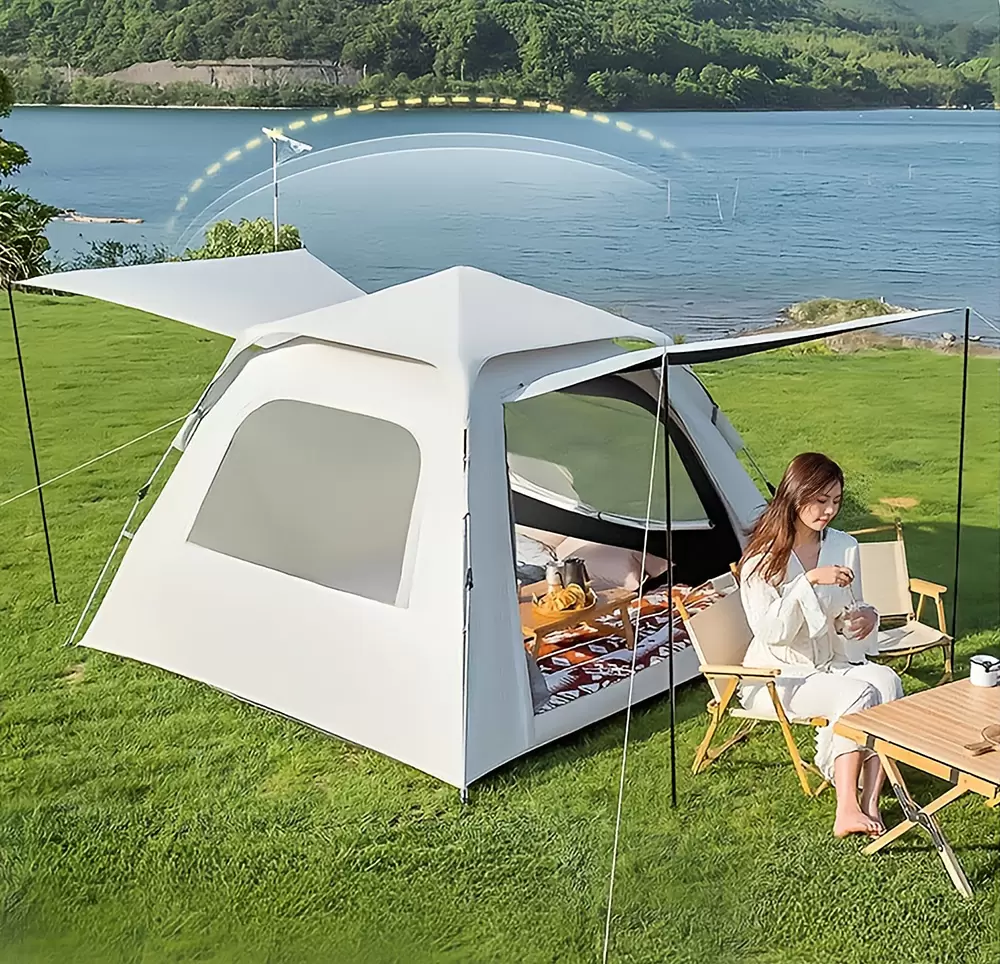
1. Worn-Out Waterproof Coating
One of the most common reasons camping tents leak is the deterioration of the waterproof coating.
Most outdoor camping tents use polyurethane (PU) or silicone coatings to prevent water penetration. Over time, these coatings can break down due to:
UV exposure
Frequent use
Improper storage
Aging materials
When the coating starts to degrade, the fabric becomes less water-resistant, allowing moisture to seep through during rain.
How to Fix It
You can restore waterproof performance using:
Tent waterproofing spray
Seam sealer treatment
Re-coating products designed for nylon or polyester fabrics
Make sure the tent is completely clean and dry before applying any treatment. Reapplying waterproof coating every season can significantly extend the life of camping tents.
2. Leaking Seams
Even if the fabric is waterproof, seams are often the weakest point in any camping tent.
Seams are stitched areas where fabric pieces join together. If not properly sealed, tiny needle holes can allow rainwater to pass through.
This issue is especially common in older or frequently used camping tents.
How to Fix It
Apply seam sealer along all stitched lines
Focus on roof seams and corner joints
Allow 24 hours of drying time before use
Reapply every few months for heavily used tents
Proper seam sealing is one of the most effective ways to prevent leaks in both lightweight camping tents and larger family camping tents.
3. Improper Tent Setup
Sometimes the tent itself is not the problem—the setup is.
If a camping tent is not properly tensioned, rainwater can pool on the surface and eventually leak through weak points.
Common setup mistakes include:
Loose rainfly installation
Improper stake positioning
Uneven ground setup
Sagging tent fabric
How to Fix It
Ensure the tent is fully stretched and tight
Adjust all guy lines evenly
Use all provided stakes
Avoid low-lying areas where water can accumulate
A properly pitched tent significantly reduces the risk of leaks, even during heavy rain.
4. Damaged or Aging Fabric
Over time, exposure to sunlight, wind, and repeated use can weaken tent materials.
Fabric damage may include:
Tiny tears
Thin spots
Abrasion damage
Pinholes
Even small defects can allow water to enter during storms.
How to Fix It
Use repair patches designed for camping tents
Apply waterproof repair tape for emergency fixes
Replace heavily damaged sections if possible
For long-term reliability, inspect your camping tents regularly before and after each trip.
5. Condensation Mistaken for Leaks
Many campers mistake condensation for leaks.
When warm air inside the tent meets cold exterior surfaces, moisture forms inside the tent walls. This can feel like a leak but is actually a natural physical process.
Condensation is especially common in:
Humid environments
Poorly ventilated tents
Cold nights after warm days
How to Fix It
Improve ventilation inside the tent
Open mesh windows and roof vents
Avoid blocking airflow with gear
Use breathable sleeping materials
Proper airflow is essential for reducing moisture inside all types of camping tents.
6. Rainfly Misalignment
The rainfly is the outer waterproof layer of a tent. If it is not installed correctly, water can easily enter.
Common rainfly issues include:
Incorrect positioning
Loose attachment points
Gaps between tent body and fly
Improper tension
How to Fix It
Double-check all attachment points
Ensure full coverage of the tent body
Tighten straps and buckles evenly
Avoid touching inner tent walls
A properly installed rainfly is critical for keeping waterproof camping tents fully functional in wet weather.
7. Ground Water Seepage
Water doesn’t always come from above. It can also enter from below.
If the ground beneath your tent becomes saturated, water may seep upward.
This often happens in:
Heavy rain conditions
Poor drainage areas
Low-lying campsites
How to Fix It
Use a waterproof groundsheet or footprint
Choose higher, well-drained ground
Avoid setting up in depressions or valleys
A proper ground barrier protects even the best outdoor camping tents from moisture intrusion.
8. Zipper and Entry Point Leaks
Zippers and door seams are often overlooked weak points.
If not properly closed or sealed, water can enter through:
Zipper gaps
Door edges
Poor sealing flaps
How to Fix It
Ensure zippers are fully closed and covered
Use storm flaps when available
Apply waterproof spray to zipper areas
Avoid leaving entry points exposed during rain
These small adjustments can greatly improve the performance of camping tents in wet conditions.
How to Prevent Camping Tent Leaks Before They Start
Prevention is always better than repair. With proper care, most leaks can be avoided entirely.
Choose High-Quality Materials
Investing in durable camping tents made from treated polyester or nylon can significantly reduce leakage risks.
Apply Waterproof Treatment Regularly
Reapply waterproof coatings at least once per camping season.
Store Your Tent Properly
Never store a wet tent. Always:
Dry completely before packing
Store in a cool, dry place
Avoid long-term compression
Inspect Before Every Trip
Check seams, fabric, and poles before heading outdoors.
Emergency Fixes While Camping
If your tent starts leaking during a trip, you can apply quick temporary solutions:
Use duct tape for small holes
Reposition rainfly for better coverage
Create drainage channels around the tent
Move gear away from wet areas
These emergency steps can help you stay dry until proper repairs are possible.
When to Replace Your Camping Tent
Sometimes repairs are not enough.
You may need a new tent if:
Fabric is extensively damaged
Waterproof coating has completely failed
Multiple leaks appear simultaneously
Repairs no longer hold
Upgrading to modern waterproof camping tents can improve safety and comfort significantly.
Final Thoughts
Understanding why camping tents leak is essential for every outdoor enthusiast. In most cases, leaks are not caused by a single failure but by a combination of factors such as worn coatings, poor setup, seam issues, or environmental conditions.
The good news is that most problems can be fixed easily with proper maintenance, waterproof treatments, and correct pitching techniques. Whether you use lightweight backpacking tents or spacious family camping tents, regular care will significantly extend their lifespan and performance.
By applying the solutions outlined in this guide, you can ensure your camping experience remains dry, comfortable, and enjoyable—even in challenging weather conditions.








 SIGN UP FOR NEWSLETTER
 Room 2015, Building 1, No. 114, Pudong, Xiaojiang Village, Shuangpu Town, Xihu District, Hangzhou City, Zhejiang Province
