


Camping is one of the best ways to escape busy city life and reconnect with nature. Whether you're heading into the mountains, camping by a lake, or enjoying a weekend at a campground, your camping tent serves as your home away from home. It provides shelter from rain, wind, insects, and changing temperatures while offering a comfortable place to rest after a day of outdoor activities.
However, many camping accidents occur because people underestimate the importance of tent safety. Poor campsite selection, improper tent setup, fire hazards, and unexpected weather conditions can quickly turn an enjoyable trip into a dangerous situation.
Understanding essential camping tents safety practices can help protect you, your family, and your equipment while making every camping experience safer and more enjoyable. In this guide, we'll explore the most important safety tips every outdoor enthusiast should know before setting up their tent.
Why Camping Tent Safety Is So Important
A camping tent is designed to provide temporary shelter, but it is not a permanent structure. It can only perform well when used correctly and under appropriate conditions.
Whether you're using family camping tents, lightweight camping tents, or waterproof camping tents, proper preparation and responsible use are critical for preventing accidents.
Good camping habits can help you avoid:
Tent collapse during storms
Water flooding inside the tent
Fire accidents
Wildlife encounters
Carbon monoxide poisoning
Wind damage
Injuries caused by improper setup
Learning basic tent safety is just as important as choosing the right tent itself.
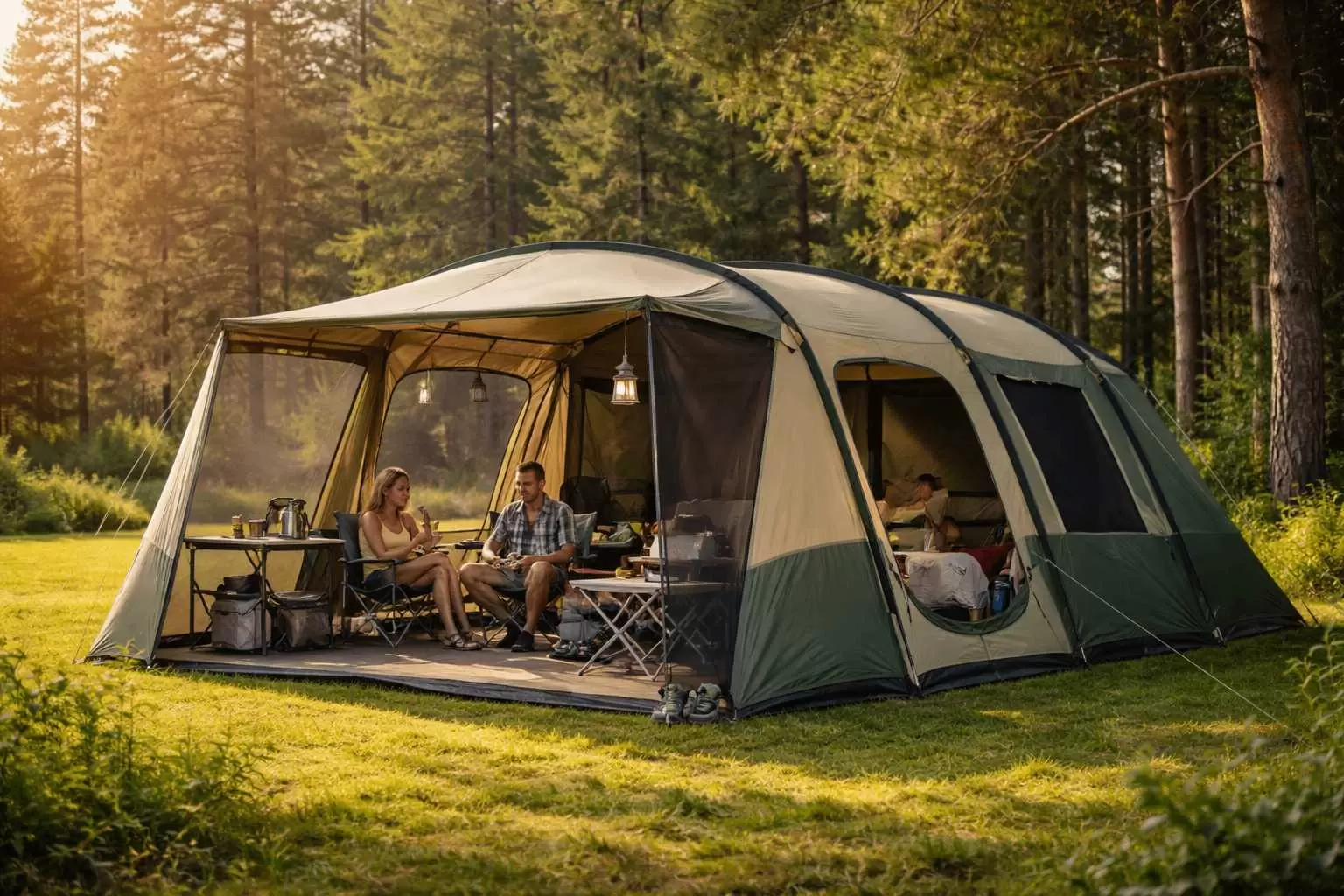
Choose the Right Camping Tent for Your Adventure
Safety starts before your trip begins.
Different outdoor environments require different types of camping tents, and selecting the wrong model may leave you exposed to harsh weather conditions.
Consider these factors before purchasing or packing your tent:
Number of campers
Expected weather
Season of use
Camping location
Trip duration
Transportation method
For example, lightweight camping tents are perfect for backpacking but may not offer enough interior space for family vacations. Meanwhile, family camping tents provide greater comfort but require more space and stronger anchoring.
Choosing the correct tent greatly improves safety and comfort throughout your trip.
Inspect Your Tent Before Leaving Home
Many campers discover broken poles or torn fabric only after arriving at the campsite.
Before every trip, inspect your camping tent carefully.
Check for:
Torn fabric
Broken poles
Damaged zippers
Missing stakes
Worn guy lines
Loose seams
Waterproof coating damage
Even small problems can become major issues during heavy rain or strong winds.
Carrying a simple tent repair kit containing tape, patches, spare stakes, and extra cord can help solve unexpected problems in the field.
Pick a Safe Campsite
One of the biggest safety mistakes campers make is choosing the wrong location.
Even high-quality outdoor camping tents cannot protect against poor campsite selection.
Choose a campsite that is:
Flat
Dry
Well-drained
Away from falling branches
Protected from strong winds
Free of loose rocks
Avoid camping:
Under dead trees
Near cliff edges
In dry riverbeds
On steep slopes
In flood-prone areas
Spending a few extra minutes selecting a safe location can prevent serious problems later.
Stay Away from Rivers and Flash Flood Areas
Camping beside water can be relaxing, but it also presents hidden dangers.
Heavy rainfall miles away can cause rivers to rise rapidly, creating dangerous flash floods.
Always set up camping tents well above the waterline and avoid valleys where water naturally collects.
Look for higher ground whenever possible.
Keeping a safe distance from rivers, lakes, and streams also reduces the risk of slippery surfaces and unexpected water surges.
Secure Your Tent Properly
Strong winds can easily damage an unsecured tent.
Always use:
Tent stakes
Guy lines
Ground anchors
Additional ropes if necessary
Drive stakes firmly into the ground at the correct angle and tighten guy lines evenly.
For larger family camping tents, extra anchoring points improve stability during storms.
Check the tension regularly, especially after rain or wind changes.
A properly secured tent is far less likely to collapse or blow away.
Watch the Weather Forecast
Weather conditions can change quickly in outdoor environments.
Before your trip and during your stay, monitor forecasts for:
Thunderstorms
Heavy rain
High winds
Snow
Extreme temperatures
If severe weather is expected, delay your trip or move to safer shelter.
Although modern waterproof camping tents provide excellent protection from rain, they are not designed to withstand extreme storms, hurricanes, or lightning strikes.
Always prioritize personal safety over staying inside your tent.
Never Cook Inside Your Tent
This is one of the most important camping safety rules.
Portable stoves and grills produce carbon monoxide, a colorless and odorless gas that can be fatal inside enclosed spaces.
Open flames can also ignite tent fabric within seconds.
Always cook:
Outside the tent
In open air
On stable surfaces
Away from flammable materials
Never use gas heaters or charcoal grills inside camping tents.
Proper ventilation and distance from the tent significantly reduce fire risks.
Keep Campfires at a Safe Distance
Campfires create warmth and atmosphere but must be carefully controlled.
Keep fires at least 15 feet (5 meters) away from your camping tent.
Avoid placing tents downwind of the fire where sparks may travel.
Before going to sleep or leaving the campsite:
Fully extinguish the fire
Stir the ashes
Pour additional water if necessary
Confirm that no heat remains
Many tent fabrics are flame-resistant but not fireproof.
Simple precautions can prevent devastating accidents.
Ensure Good Tent Ventilation
Many campers mistakenly close every vent to stay warm.
Poor ventilation leads to condensation, making sleeping bags and equipment damp.
Keep roof vents and mesh windows open whenever weather allows.
Proper airflow helps:
Reduce humidity
Improve sleeping comfort
Prevent mold growth
Minimize condensation
Ventilation also improves overall air quality inside your camping shelter.
Store Food Away from Your Tent
Food attracts wildlife.
Even small snacks can lure:
Raccoons
Rodents
Foxes
Wild boars
Bears in certain regions
Never keep food inside your sleeping area.
Instead, store food:
In airtight containers
Inside vehicles
In bear-resistant canisters
On designated food storage poles
Proper food storage protects both campers and local wildlife.
Prepare for Strong Winds
Wind is one of the biggest threats to camping tents.
If strong winds are expected:
Face the narrow side of the tent toward the wind
Tighten guy lines
Use additional stakes
Remove loose gear from around the campsite
Lower-profile tents generally perform better in windy conditions than tall cabin-style tents.
Preparation significantly reduces the risk of tent damage.
Wear Appropriate Clothing at Night
Tent fabric provides little insulation.
Even during summer, nighttime temperatures can fall dramatically.
Bring:
Thermal clothing
Waterproof jackets
Warm socks
Gloves
Hats
Insulated sleeping bags
Layering clothing helps maintain body temperature and reduces the risk of hypothermia.
Proper preparation contributes significantly to overall camping safety.
Protect Yourself from Insects
Mosquitoes, ticks, and other insects can spread diseases and create discomfort.
Keep tent doors zipped whenever possible.
Before entering your tent:
Shake off clothing
Inspect for ticks
Use insect repellent
Wear long sleeves if needed
Many camping tents include mesh screens that improve airflow while keeping insects outside.
Maintaining insect protection contributes to a healthier camping experience.
Bring Emergency Equipment
Every camping trip should include basic emergency supplies.
Essential items include:
Flashlight
Extra batteries
First aid kit
Emergency blanket
Multi-tool
Whistle
Portable phone charger
Drinking water
Waterproof matches
Having emergency equipment readily available can make a significant difference during unexpected situations.
Teach Children Tent Safety Rules
If camping with children, explain campsite safety before arrival.
Teach them:
Never play with fire
Stay close to adults
Keep tent doors closed
Avoid touching wildlife
Know where emergency supplies are stored
Clear safety rules help children enjoy camping while minimizing risks.
Know When to Leave the Campsite
Sometimes the safest decision is to leave.
Evacuate immediately if you notice:
Flooding
Falling trees
Severe lightning
Wildfire danger
Structural tent damage
Dangerous wildlife nearby
No camping trip is worth risking personal safety.
Being willing to leave early demonstrates responsible outdoor judgment.
Maintain Your Camping Tent After Every Trip
Proper maintenance extends the life of your camping tent and ensures reliable performance on future adventures.
After returning home:
Clean dirt and debris
Dry the tent completely
Inspect for damage
Repair small tears
Store in a cool, dry location
Regular maintenance helps preserve waterproof coatings and prevents mold growth.
Well-maintained camping tents provide safer and more dependable shelter for years to come.
Final Thoughts
Camping is an enjoyable and rewarding outdoor activity, but safety should always come first. From selecting the right campsite and securing your tent properly to practicing fire safety and monitoring weather conditions, every precaution contributes to a more comfortable and secure experience.
Whether you own lightweight camping tents for backpacking adventures or spacious family camping tents for weekend getaways, following these essential safety tips can help protect both people and equipment.
By preparing carefully, respecting nature, and using your camping tent responsibly, you can enjoy memorable outdoor adventures with confidence while minimizing unnecessary risks. A safe campsite is the foundation of every successful camping trip.







 SIGN UP FOR NEWSLETTER
 Room 2015, Building 1, No. 114, Pudong, Xiaojiang Village, Shuangpu Town, Xihu District, Hangzhou City, Zhejiang Province
