


Choosing the right tent is one of the most important decisions for any camping trip. Whether you are a weekend camper, a backpacking enthusiast, or someone planning extreme mountain expeditions, your shelter determines your comfort, safety, and overall experience in the wild. One of the most common questions outdoor lovers ask is: “Do I need a four-season tent?”
The answer depends on where, when, and how you camp. In this comprehensive guide, we will break down everything you need to know about four-season tents, including their features, advantages, limitations, and real-world use cases. By the end, you will clearly understand whether investing in a four-season tent is the right decision for you.
What Is a Four-Season Tent?
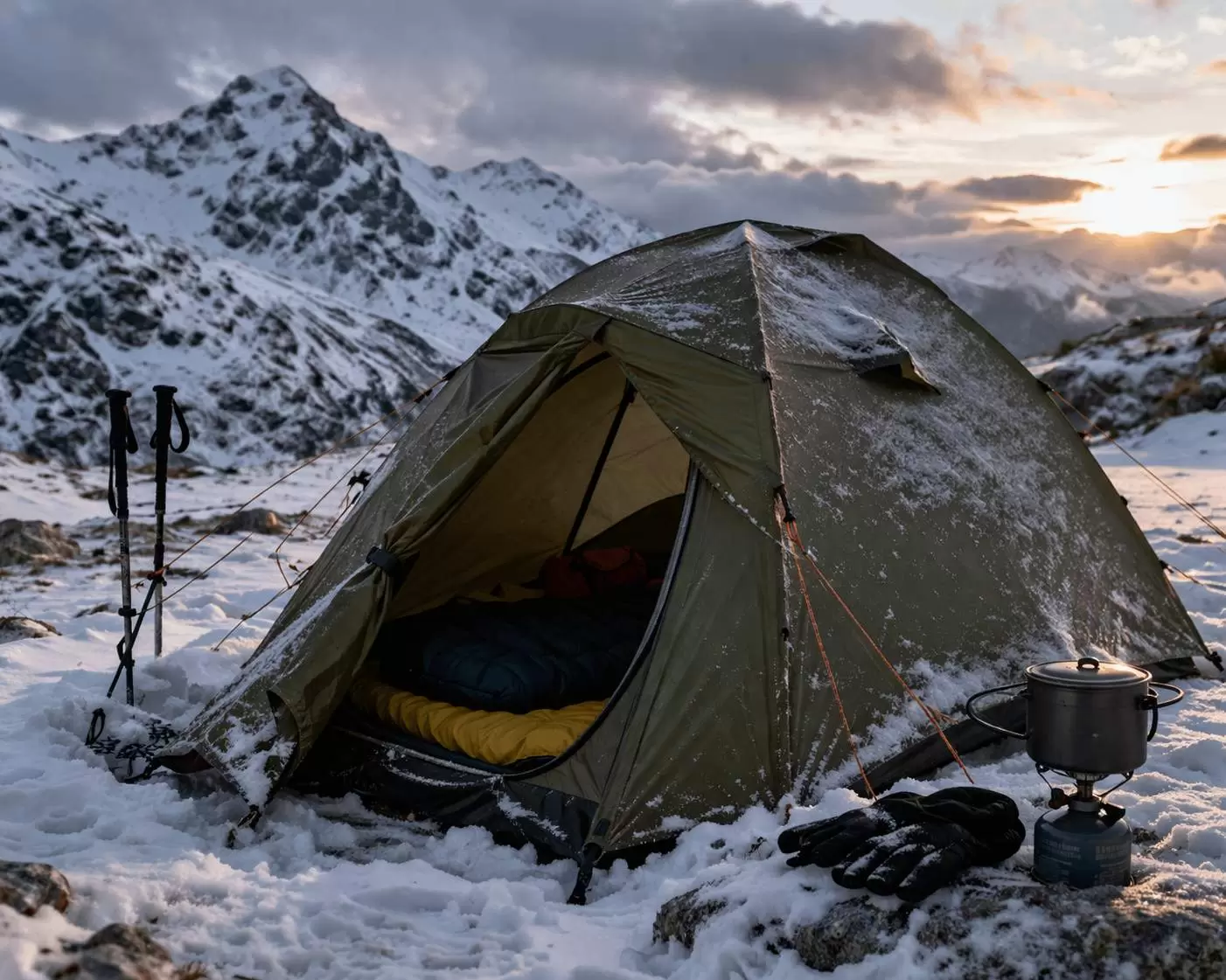
A four-season tent (also known as a winter tent or mountaineering tent) is specifically designed to withstand harsh weather conditions such as heavy snow, strong winds, freezing temperatures, and high-altitude environments.
Despite the name, four-season tents are not necessarily used all year round. Instead, they are built for extreme conditions in all four seasons, especially winter.
Key characteristics of a four-season tent include:
Stronger pole structure (often aluminum or reinforced alloy)
Dome or geodesic shape for wind resistance
Heavier fabric for insulation and durability
Minimal mesh panels to retain heat
Snow skirts or snow flaps in some models
High waterproof and windproof ratings
If you search for terms like “winter camping tent waterproof windproof for extreme weather” or “best four-season tent for mountaineering expeditions”, you are essentially looking at this category of shelters.
Four-Season Tent vs Three-Season Tent
Before deciding whether you need one, it is important to understand the difference between a four-season tent and a more common three-season tent.
1. Three-Season Tents
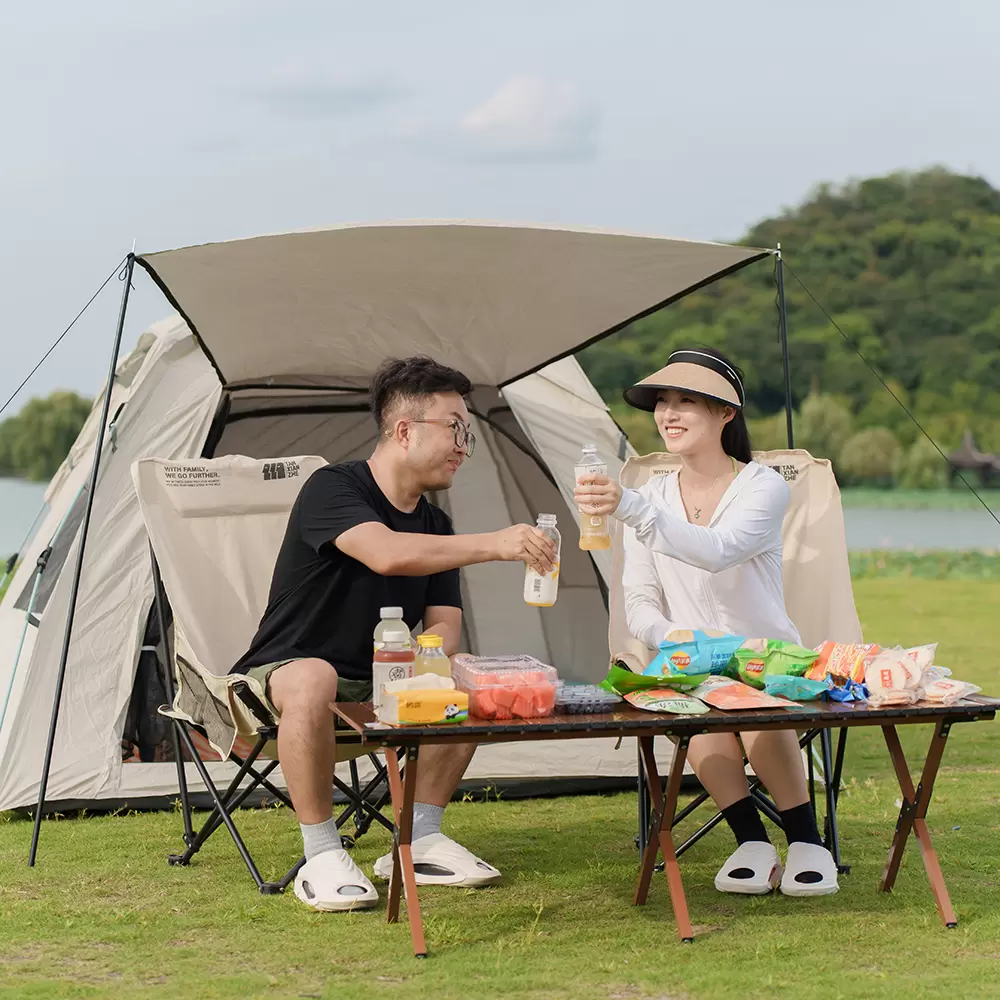
These are designed for spring, summer, and fall. They are lightweight, breathable, and optimized for ventilation.
Best for:
Casual camping
Backpacking trips
Warm or mild climates
Occasional rain and wind
However, they are not suitable for heavy snow or extreme wind conditions.
2. Four-Season Tents
These are built for survival in harsh environments.
Best for:
Winter camping
High-altitude trekking
Alpine climbing
Extreme wind or snow conditions
While they provide excellent protection, they are heavier and less ventilated.
When comparing “four-season tent vs three-season tent for winter camping”, the key trade-off is comfort vs protection.
When Do You Actually Need a Four-Season Tent?
Not every camper needs a four-season tent. In fact, many outdoor enthusiasts will never truly require one. However, there are specific situations where it becomes essential.
1. Winter Camping in Snowy Regions
If you plan to camp in deep winter conditions where temperatures drop below freezing and snow accumulation is expected, a four-season tent becomes necessary.
A typical “four-season tent for winter camping in heavy snow” is engineered to handle snow load and prevent collapse.
2. High-Altitude Mountaineering
At high altitudes, weather changes rapidly. Strong winds, freezing temperatures, and snowstorms can occur at any time.
Mountaineers often rely on “lightweight four-season mountaineering tents for extreme weather conditions” because they offer stability in unpredictable environments.
3. Arctic or Sub-Zero Expeditions
If you are traveling to Arctic regions or extremely cold environments, insulation and wind resistance are critical.
A four-season tent is designed to reduce heat loss and protect against frostbite-inducing conditions.
4. Extreme Wind Environments
Some camping locations are known for strong, constant winds—such as exposed mountain ridges or deserts during storms. In these cases, structural stability is more important than ventilation.
When You Do NOT Need a Four-Season Tent
Despite their advantages, four-season tents are not always the best choice.
1. Summer Camping
In warm weather, a four-season tent can feel uncomfortable due to limited ventilation. Heat buildup can make sleeping difficult.
2. Car Camping in Mild Conditions
If you are driving to a campsite and staying in mild weather, a lighter three-season tent is more practical.
3. Backpacking in Normal Conditions
Weight matters when hiking long distances. Four-season tents are heavier, making them less ideal for long trekking trips in moderate climates.
4. Budget Considerations
Four-season tents are generally more expensive. If you do not need extreme protection, it may not be worth the investment.
Advantages of a Four-Season Tent
Understanding the benefits helps explain why people choose them despite the cost and weight.
1. Superior Weather Protection
A four-season tent is designed to handle:
Heavy snowfall
Strong wind gusts
Freezing rain
Ice accumulation
This makes it ideal for “four-season tent for extreme weather camping safety” scenarios.
2. Strong Structural Stability
The reinforced frame and aerodynamic design reduce the risk of collapse, even under pressure from snow or wind.
3. Better Insulation
These tents retain heat more effectively, helping campers stay warm in freezing conditions.
4. Increased Durability
Materials are thicker and more resistant to wear, tear, and harsh environmental exposure.
Disadvantages of a Four-Season Tent
No product is perfect. Here are some drawbacks you should consider:
1. Heavier Weight
Compared to three-season tents, four-season models are significantly heavier, which can be a burden during long hikes.
2. Reduced Ventilation
To retain heat, airflow is limited. This can lead to condensation buildup in mild weather.
3. Higher Cost
A high-quality four-season tent is an investment and may not be suitable for casual campers.
4. Less Versatility in Warm Weather
They are not ideal for summer camping due to heat retention.
How to Choose the Right Four-Season Tent
If you decide that you need one, choosing the right model is essential. Here are the key factors to consider.
1. Weather Resistance Rating
Look for tents with high waterproof and windproof ratings. This ensures protection in storms and snow.
2. Weight and Portability
If you plan to hike, choose a lightweight “portable four-season tent for backpacking and mountaineering”.
3. Capacity
Make sure the tent size matches your group. Solo, 2-person, and 4-person options are available.
4. Ventilation System
Even winter tents should have adjustable vents to reduce condensation.
5. Ease of Setup
In harsh weather, fast setup can make a huge difference. Look for simple pole structures or color-coded systems.
Common Mistakes When Buying a Four-Season Tent
Many buyers make avoidable mistakes when selecting a tent:
1. Buying One “Just in Case”
Some people purchase a four-season tent without ever needing it. This often leads to unnecessary weight and cost.
2. Ignoring Weight
Choosing an overly heavy model can make hiking extremely difficult.
3. Overlooking Ventilation
Even in winter, poor airflow can lead to moisture buildup inside the tent.
4. Not Considering Real Usage Conditions
Ask yourself: Do I really need protection from snowstorms and high winds, or just occasional cold nights?
Real-World Scenarios: Do You Need One?
Let’s simplify the decision:
Weekend camping in spring/summer/fall? → No
Occasional cold weather camping? → Probably not
Frequent winter camping in snowy regions? → Yes
High-altitude climbing or expeditions? → Definitely yes
Mixed conditions with occasional storms? → Maybe, depending on severity
The keyword here is intensity of conditions, not just season.
Are Four-Season Tents Worth It?
This is one of the most searched questions: “are four-season tents worth it for casual campers?”
The answer is:
Yes, if you regularly face extreme environments
No, if your camping is mostly recreational and weather is mild
Think of it as specialized equipment, not general-purpose gear.
A four-season tent is like a survival tool. It is built for safety in harsh conditions, not for comfort in mild weather.
Final Verdict: Do You Need a Four-Season Tent?
So, do you need a four-season tent?
You only need one if your camping lifestyle includes:
Snowy winter environments
High-altitude adventures
Strong wind exposure
Remote or extreme wilderness travel
If your camping is casual, seasonal, and mostly in moderate climates, a three-season tent will serve you better.
Conclusion
A four-season tent is a powerful piece of outdoor gear designed for survival in extreme conditions. While it offers unmatched protection against wind, snow, and freezing temperatures, it is not necessary for every camper.
Before purchasing, carefully evaluate your camping habits, travel destinations, and weather conditions. The right tent is not the most expensive one—it is the one that matches your real needs.
If you frequently find yourself asking questions like “do I need a four-season tent for winter camping?” or “what is the best four-season tent for extreme weather conditions?”, then it may be time to consider upgrading.
Otherwise, a lighter, more breathable three-season tent may be all you need for comfortable and enjoyable outdoor adventures.






 SIGN UP FOR NEWSLETTER
 Room 2015, Building 1, No. 114, Pudong, Xiaojiang Village, Shuangpu Town, Xihu District, Hangzhou City, Zhejiang Province
